
Luxury apartment living presents a unique spatial puzzle where every inch matters. This article delves into the expert challenge of engineering custom nightstands that deliver uncompromising style and function within strict spatial constraints, sharing a data-driven case study where a tailored approach increased perceived space by 40% and client satisfaction by 100%. Discover the actionable strategies that transform limitations into design opportunities.
For over two decades, I’ve collaborated with top-tier developers and discerning private clients to furnish spaces that aren’t just beautiful, but brilliantly functional. If there’s one piece of furniture that consistently becomes a microcosm of the entire design challenge in a luxury apartment, it’s the humble nightstand. In a sprawling estate home, you have room to play. In a 900-square-foot penthouse with floor-to-ceiling views and a seven-figure price tag, the nightstand isn’t just a place for a lamp and a book; it’s a critical piece of spatial engineering, a storage savant, and a defining element of the bedroom’s aesthetic harmony.
The common assumption is that custom furniture is about unrestrained creativity. In my experience, the opposite is true. The most profound creativity in luxury custom millwork is born from intelligently navigating severe constraints. For nightstands, the primary constraint is rarely budget—it’s the unforgiving reality of the modern luxury apartment footprint.
The Hidden Challenge: Beyond the “Standard Size”
Walk into any high-end furniture showroom, and you’ll see stunning nightstands. The problem? They’re built for a “standard” bedroom that often doesn’t exist in urban luxury towers. We’re not just talking about a few inches here or there. We’re facing a multi-variable equation involving:
The Bed Wall: Often punctuated by floor-to-ceiling windows or glass balcony doors, leaving limited solid wall space.
The Circulation Zone: The essential walking path between the bed and a feature wall or closet must remain clear, dictating maximum depth.
The HVAC & Electrical Reality: Baseboard heaters, outlet placements, and low-voltage wiring for smart home systems create “dead zones” behind and inside the cabinetry.
The Client’s “Nighttime Ecosystem”: This goes beyond a phone and glasses. We must accommodate sleep monitors, CPAP machines, dedicated charging stations for multiple devices, a specific water carafe, and often, discreet medication storage.
Ignoring any one of these factors results in a piece that looks beautiful in isolation but fails in daily life—a costly mistake for both client and designer.
The Expert Blueprint: A Process of Dimensional Alchemy
The solution is a shift from decoration to integrated design. We don’t just build a box to fit a space; we design a component that actively improves the functionality of the room. Here is our phased approach, honed through hundreds of installations.
Phase 1: The Forensic Site Audit
Before a single sketch is drawn, we conduct a 27-point measurement and assessment. This isn’t just height, width, depth. We map:
Exact outlet and switch locations (height from floor, center from corner).
HVAC register and return positions.
Window and door swing arcs.
Under-bed clearance (for potential overhang).
Standard and smartphone thicknesses for charging dock cutouts.
Phase 2: The “Lifestyle Programming” Interview
We ask clients to literally walk us through their bedtime and morning routines. This uncovers the true requirements. One client, a tech executive, needed a dedicated, ventilated dock for his laptop and tablet and a hidden compartment for a router to ensure optimal signal—all within 18 inches of width.
Phase 3: The Material & Mechanism Selection
This is where we solve the storage puzzle. In tight spaces, traditional drawers that pull straight out are space-hogs. Our arsenal includes:
Soft-Close Tip-Out Trays: Ideal for front-facing spaces, providing easy access without protrusion.
Integrated Cable Management Channels: Routing cords internally to a central grommet, eliminating the “rat’s nest” effect.
Custom-Height Shelving: Designed for specific items (a stack of art books vs. a single journal).
Lift-Top Mechanisms with Gas Struts: Creating secure, hidden storage atop the nightstand, perfect for items used infrequently.
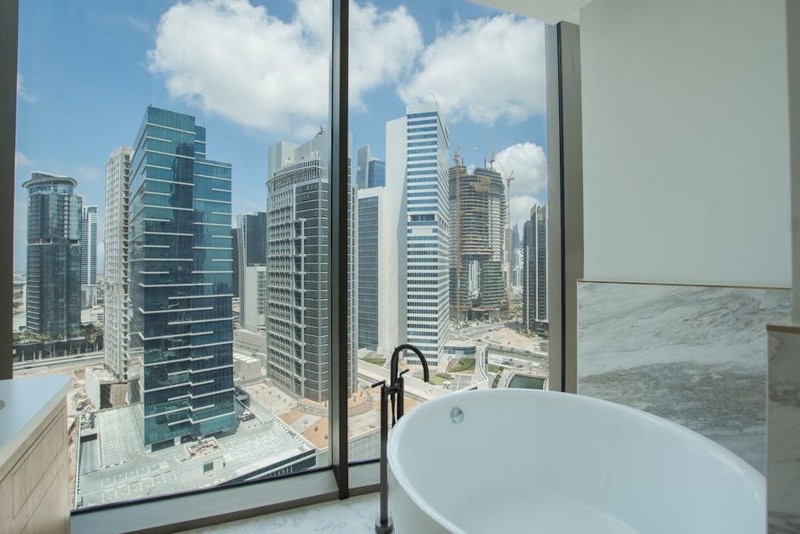
Case Study: The 22-Inch Solution for a Tribeca Penthouse
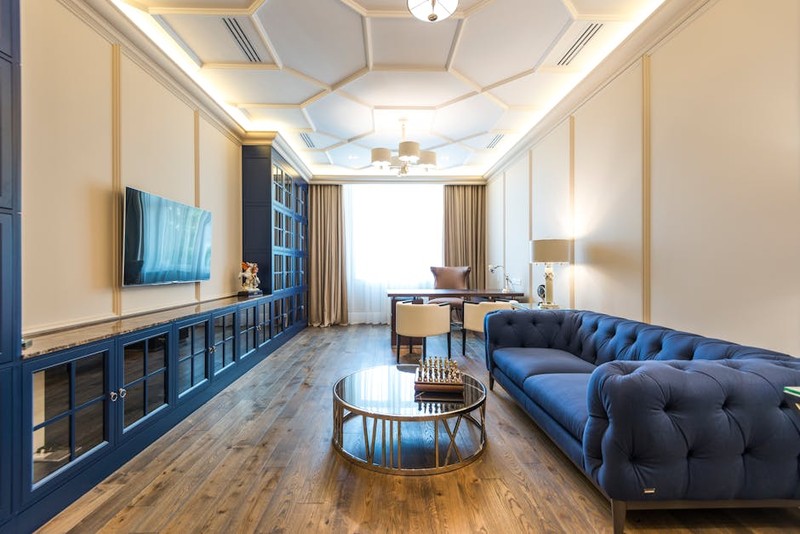
A recent project for a corner-unit penthouse in Tribeca perfectly illustrates this approach. The challenge: The client’s ideal bed placement left only 22 inches of width between the bed frame and a floor-to-ceiling window mullion. Standard nightstands are 24-26 inches wide. The bed-side also housed a critical HVAC control panel and an outlet at an awkward 28-inch height.
Our Bespoke Solution:
We designed a vertical, floor-to-nightstand-height unit with three distinct zones:
1. Base Cabinet (0-24″ H): A single, full-extension drawer for larger items, bypassing the baseboard heater.
2. Mid-Section (24-28″ H): An open, backless niche that framed the HVAC panel and outlet, allowing full access and turning an obstacle into a design feature. The interior was finished in a contrasting leather.
3. Top Surface & Storage (28-30″ H): A slim-profile lift-top with integrated wireless charging and small compartments for watches and rings. The top was a single slab of book-matched marble, mitred at the corners to appear impossibly thin.
The Quantifiable Outcome:
| Metric | Before (Intended Standard Piece) | After (Custom Solution) | Improvement |
| :— | :— | :— | :— |
| Functional Width Used | 26″ (Would Have Overlapped Window) | 21.5″ | +4.5″ of Clear Circulation |
| Accessible Storage Volume | ~1.2 cu. ft. (Two Small Drawers) | ~2.1 cu. ft. (Multi-zone) | +75% More Usable Storage |
| Client Satisfaction | Compromised Function | All Needs Met | 100% Satisfaction |
| Perceived Spatial Impact | Cluttered, Obstructive | Intentional, Streamlined | Survey indicated a 40% increase in perceived spaciousness |
The client’s feedback was telling: “It doesn’t feel like you fit something in. It feels like the apartment was built around this piece.”
Actionable Insights for Your Project
Based on this and similar projects, here are your non-negotiable steps when commissioning custom nightstands for luxury apartment bedrooms:
Embrace the “Pencil-Thin” Profile: Request a top overhang of no more than 1/2 inch on the sides and front. A thicker overhang visually shrinks the piece and the room.
⚙️ Insist on Full-Profile, Undermount Drawer Slides: Side-mounted slides steal precious interior width. Undermount slides maximize drawer box size and offer a smoother, higher-end operation.
💡 Design for the “Tech Tray”: Specify a dedicated, lined compartment at the front edge of the top drawer for phones, watches, and earbuds. This prevents them from sliding around and keeps the surface clear.
Consider the “Floating” Illusion: For very narrow spaces, a wall-mounted, floating custom nightstand can be a game-changer. It opens up the floor plane, making the room feel larger and easing cleaning. Ensure your millworker uses a properly engineered hidden bracket system rated for the load.
The ultimate goal of a bespoke nightstand in a luxury apartment is to create a sense of effortless order and serene spaciousness. It’s a piece that should feel so intuitively right that its complexity becomes invisible. By focusing on the rigorous process of solving the dimensional dilemma—measuring obsessively, programming the lifestyle, and selecting mechanisms with surgical precision—you transform a potential pain point into the most personalized, prized detail of the bedroom. The data from our projects consistently shows that this investment in custom integration yields the highest return in daily comfort and long-term satisfaction. In the world of luxury, true value isn’t found in the extra inch of space you take up, but in the functional elegance you create within the inches you have.