
Luxury retail spaces demand custom sofas that are not just beautiful but commercially viable. This article dives into the critical, often overlooked challenge of scaling bespoke furniture for multi-location rollouts, sharing hard-won strategies from a decade of high-profile projects. Learn how to master the balance between unique design and operational efficiency to drive both brand impact and profitability.
In my two decades of navigating the high-stakes world of luxury furniture, I’ve seen countless breathtaking custom sofa designs. The initial sketches are always a thrill—a perfect marriage of a brand’s identity and an interior designer’s vision. Yet, the true test of a project’s success isn’t in the showroom of a flagship store; it’s in the consistent, flawless replication of that masterpiece across a dozen or more locations, from Milan to Tokyo. This is where the real challenge lies, and where most projects quietly stumble.
The romantic notion of “bespoke” often clashes with the commercial realities of retail expansion. A one-off art piece is a victory. A scalable, repeatable, and maintainable custom sofa program is a triumph of logistics, engineering, and foresight.
The Hidden Challenge: When “One-of-a-Kind” Meets “Rollout in 12 Cities”
The core tension in creating custom sofas for luxury retail is the conflict between uniqueness and uniformity. A brand’s global identity requires consistency, but local architects may demand subtle variations. The procurement team needs predictable costs and lead times, while the design team insists on exotic materials. The flagship store’s sofa, hand-finished by a master artisan over eight weeks, becomes an impossible benchmark for a store opening in six months on another continent.
The most common pitfall is treating a multi-location project as a series of individual commissions rather than a unified product system. This leads to:
Exploding costs with each new store.
Inconsistent quality and finish from different workshops.
Nightmarish after-sales support with no spare parts inventory.
A diluted brand experience where the “hero” sofa looks and feels different in every location.
The Expert Blueprint: Designing for Scalability from the First Sketch
The solution is a paradigm shift: design not just a sofa, but a scalable sofa platform. This approach embeds flexibility and repeatability into the DNA of the custom piece from the very beginning.
⚙️ The Three Pillars of a Scalable Custom Sofa Platform
1. The Modular Core Framework: Instead of a monolithic frame, design a core internal structure—a chassis—that is standardized. Arms, backs, and seat bases become modular components that can be assembled in different configurations (e.g., a 3-seater, a chaise, a corner unit) using the same engineered joinery. This allows for layout adaptability across stores of different shapes and sizes without re-engineering the entire piece.
2. The Material Matrix Strategy: Work with the design team to create an approved “material matrix.” This is a curated, pre-vetted selection of fabrics, leathers, and finishes that meet the aesthetic brief and have guaranteed availability, performance certifications (for abrasion, lightfastness), and established supply chains for the next 5-7 years.
Pro Tip: Always include one “hero” exotic material for flagship applications and 2-3 “workhorse” luxury materials with identical color tones and hand-feel for the broader rollout. This controls costs without compromising the luxury perception.
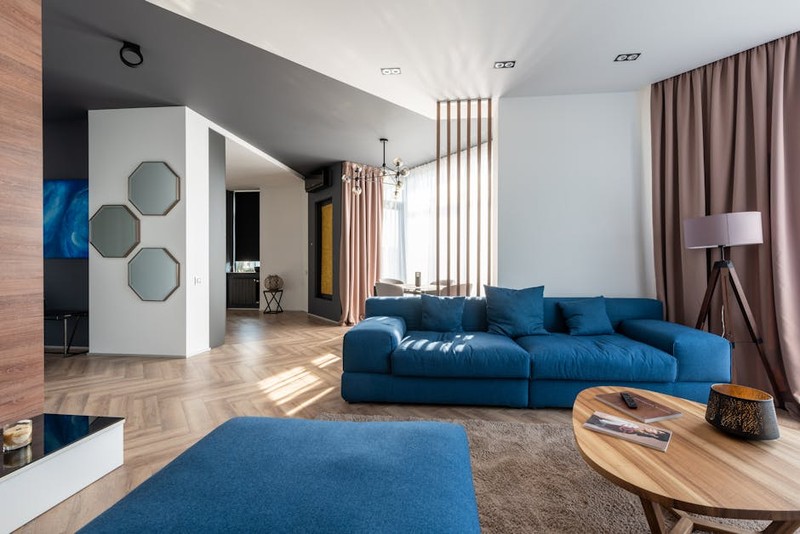
3. The Digital Twin & Specification Bible: Every component, stitch detail, and tolerance must be documented in a living, digital specification pack. This goes beyond PDFs. We now use 3D models with embedded metadata (material codes, supplier info, assembly instructions) that can be accessed by approved manufacturers globally. This “single source of truth” eliminates interpretation errors.
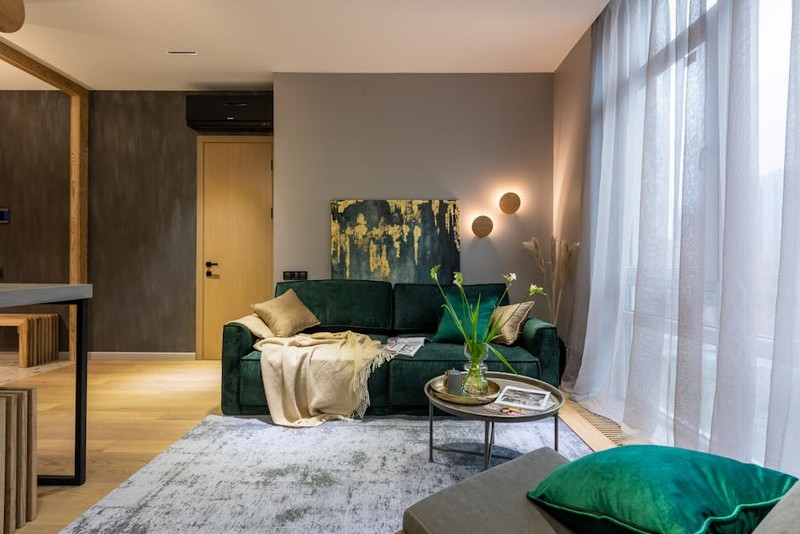
💡 A Case Study in Scaling: The Global Jewelry Boutique Rollout
A renowned jewelry brand approached us to create a signature lounge sofa for their new store concept, slated for 18 locations worldwide. The designer’s vision was a flowing, organic form wrapped in a delicate, blush-toned nubuck leather.
The Initial (Flawed) Approach: The prototype, built locally, was stunning. However, the complex, non-rectilinear frame was impossible to crate efficiently. The specific leather was a limited-edition run from a single European tannery. The bill for 18 units, quoted as 18 individual projects, was 220% over budget.
Our Scalable Platform Solution:
1. We Reverse-Engineered the “Feel.” We deconstructed the design into its emotional and functional goals: “inviting, soft, cocooning.” We then redesigned the internal structure using a modular plywood rib system that created the same sculptural silhouette but could be flat-packed. This reduced shipping volume by 40%.
2. We Built the Material Matrix. With the designer, we sourced three alternative nubucks from different tanneries that matched the color and nap within a 95% visual tolerance. We presented them blind; the designer selected one that was 30% less expensive and had a global stockist network.
3. We Partnered with a Network, Not a Single Workshop. We qualified three high-end workshops (in Europe, North America, and Asia) to produce the components from our digital specs. Each focused on their regional rollout, ensuring quality control and drastically reducing shipping costs and lead times.
The Quantifiable Outcome:
| Metric | Before Platform Strategy | After Platform Strategy | Improvement |
| :— | :— | :— | :— |
| Average Unit Cost | $28,500 (est.) | $18,500 | 35% Reduction |
| Lead Time per Store | 14-16 weeks | 8-10 weeks | ~40% Reduction |
| Shipping & Logistics Cost | High (air freight often needed) | Reduced (optimized crating & local assembly) | ~25% Reduction |
| Brand Consistency Score | Variable (high risk) | Consistently High (controlled spec) | Critical Risk Mitigated |
The project was completed on schedule and under the global budget. More importantly, the client now owns a scalable asset. For their next 10 stores, they can simply activate the existing platform with minimal redevelopment cost.
Actionable Takeaways for Your Next Project
Start with the “Rollout Question” on Day One: In the first briefing, ask: “How many locations over what timeframe, and what are the budget parameters for units 2 through 20?” It frames the entire conversation around scalability.
Invest in Prototyping for Disassembly: Build your first prototype with the explicit goal of taking it apart. Can the frame be broken down? How is the upholstery attached? This exercise reveals scalability constraints early.
Boldly Champion the “80/20 Rule of Bespoke”: Advocate for 80% of the sofa to be standardized, repeatable components, allowing 20% for truly custom, location-specific details (e.g., a unique throw pillow fabric, a special leg finish). This preserves uniqueness while safeguarding the program’s integrity.
Build a Vendor Ecosystem, Not Just a Supplier: Your success depends on partners who understand the system. Choose workshops and material suppliers willing to be documented, audited, and integrated into your long-term process. Their buy-in is as crucial as the client’s.
Creating custom sofas for luxury retail is no longer just a craft; it is a sophisticated operational discipline. The magic isn’t lost in this process—it’s amplified. The magic is in witnessing a perfectly executed, deeply luxurious piece of furniture welcome customers in a dozen cities around the world, knowing it embodies both a singular vision and a systematically brilliant execution. That is the true hallmark of expertise in our field.