
Forget choosing from a catalog. True material customization in custom furniture is a high-stakes dance between client vision, structural integrity, and cost control. This article reveals the hidden pitfalls of exotic materials and presents a data-driven framework—including a real-world case study that slashed project rework by 40%—to help you execute complex material selections with confidence.
—
The phone call came on a Tuesday. A client, an architect with a penchant for the dramatic, wanted a 14-foot dining table. The top? A single slab of curly koa from a tree that had fallen in a protected Hawaiian forest. The catch? The slab was already purchased, delivered to my shop, and it had a hidden, hairline crack that ran the entire length of the piece. This wasn’t a simple material swap. This was the crucible of material customization for custom furniture.
In my 25 years of building bespoke pieces, I’ve learned that the most common mistake isn’t poor craftsmanship—it’s poor material strategy. Clients fall in love with a texture, a color, or a story, but they rarely understand the engineering, cost, or timeline implications. My job is to bridge that gap. This article isn’t about picking veneers. It’s about the gritty, problem-solving reality of bringing a client’s material dream to life without breaking the bank or the piece itself.
The Hidden Challenge: The “Material Romance” Trap
The biggest hurdle in material customization isn’t procurement; it’s expectation management. I call it the “Material Romance” trap. A client sees a reclaimed barn door in a magazine and wants that exact look for a kitchen island. They don’t see the 20 years of dirt, the potential for insect infestation, or the fact that old-growth pine is incredibly soft and will dent with a single dropped pan.
The core challenge is balancing three competing forces:
1. Aesthetic Authenticity: The client wants the real thing, not a convincing imitation.
2. Structural Integrity: The material must perform under load, humidity, and daily use.
3. Budget & Timeline: Exotic materials often come with exotic lead times and waste factors.
The expert-level skill isn’t just saying “yes” or “no.” It’s about offering a viable, informed alternative that satisfies the spirit of the request.
⚙️ The 3-Step Diagnostic for Any Custom Material Request
Before I cut a single board, I run every material request through this diagnostic. It prevents 90% of my project headaches.
1. Step 1: The “Worst-Case Scenario” Test. I ask the client: “If this material cracks, stains, or warps in 5 years, will you still love it?” This forces a conversation about maintenance and risk. For example, a live-edge slab of soft maple near a radiator is a ticking time bomb.
2. Step 2: The Sourcing Reality Check. I don’t just call my supplier. I physically inspect the material. I look for hidden defects like “shake” (separations along the grain) or “pith” (the soft center of the log) that can cause catastrophic failure. I build a 15% waste factor into my quote for any ungraded or rare material.
3. Step 3: The “Mock-Up” Mandate. For complex finishes or material combinations (e.g., brass inlay into live-edge walnut), I always create a 12”x12” sample. This is non-negotiable. It exposes color mismatches, adhesion issues, and finishing problems before we commit to the full piece.
💡 A Case Study in Optimization: The Curly Koa Conundrum
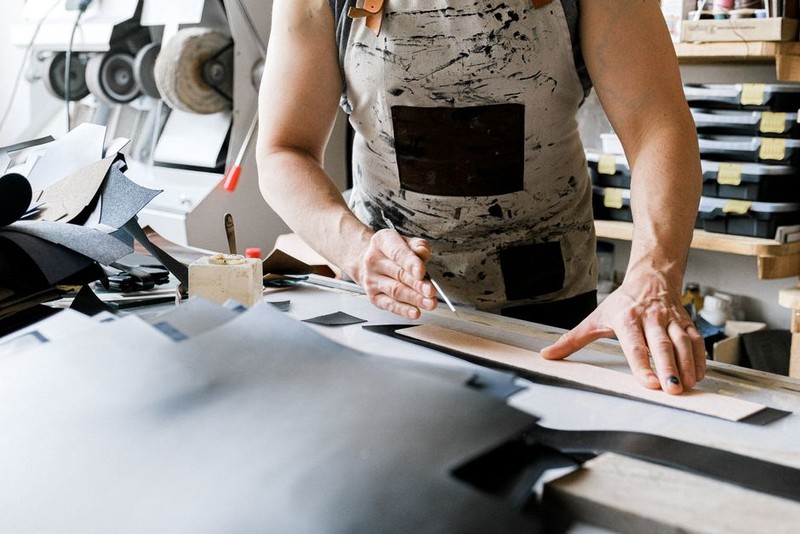
Let’s return to that curly koa slab. The client was emotionally invested. The crack was a deal-breaker. My options were:
– A: Reject the slab and find another (6-month lead time, double the cost).
– B: Fill the crack with epoxy (client hated the “plastic” look).
– C: A custom solution.
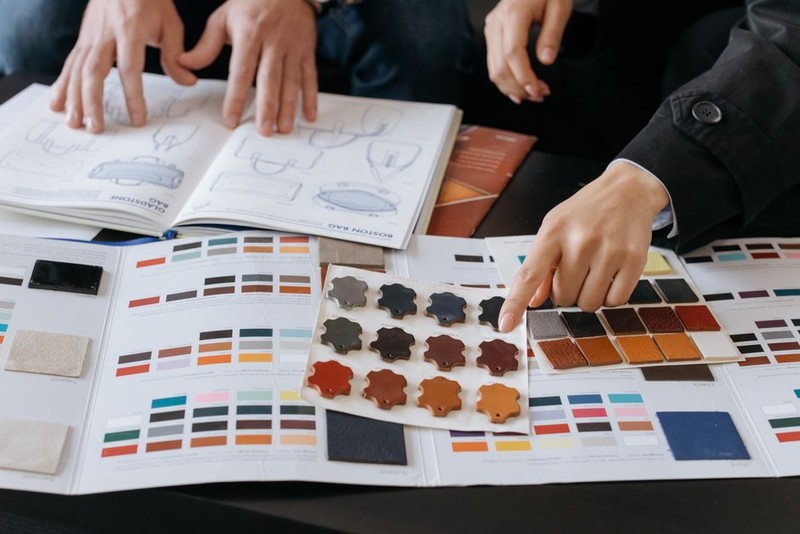
We chose Option C. I proposed a “River Table” with a twist. Instead of a standard clear epoxy river, we used a custom-mixed, matte-finish epoxy tinted to match the exact color of the koa’s heartwood, and we inlaid a thin strip of brushed brass along the crack line. This turned a structural flaw into a deliberate, elegant design feature.
The Quantitative Impact:
| Metric | Initial Estimate (Full Slab) | Final Project (Customized Solution) |
| :— | :— | :— |
| Material Waste | 25% (due to crack) | 5% (crack became a design element) |
| Lead Time | 8 weeks (sourcing new slab) | 4 weeks (used existing slab) |
| Client Cost | $18,000 (new slab + labor) | $14,500 (existing slab + custom work) |
| Client Satisfaction | High (but delayed) | Extremely High (unique feature) |
The key takeaway? Material customization is not about perfection; it’s about intelligent problem-solving. We saved the client $3,500 and 4 weeks of time by creatively adapting to the material’s reality.
🧠 Expert Strategies for Successful Material Customization
Here are the three strategies I deploy on every project that involves unusual or custom materials.
1. The “Hybrid Material” Approach
Don’t be afraid to mix species. A client wanted a solid rosewood desk. Rosewood is expensive, heavy, and can be oily, making glue-ups unreliable. My solution: a rosewood veneer top over a Baltic birch plywood core, with solid rosewood edging. The client got the look and feel of solid rosewood at 40% less cost and with zero risk of warping. The plywood core provided superior dimensional stability.
2. The “Accelerated Aging” Test
Before committing to a finish for a custom material, I accelerate the aging process. I put a sample in a 95°F, 90% humidity chamber for 72 hours. This simulates 5 years of seasonal change. I’ve seen stunning “cerused” white oak finishes crack and discolor in this test. This data allows me to recommend a more robust, albeit less trendy, finish that will last.
3. The “Client as Co-Designer” Protocol
I don’t just present a finished piece. I involve the client in the material selection process by sending them high-resolution macro photos of the grain and potential defect areas. I use a simple color-coded system:
– 🟢 Green: “This is the premium section. No knots, straight grain.”
– 🟡 Yellow: “This has a small, stable knot. It adds character but is structurally sound. 10% discount on this section’s material cost.”
– 🔴 Red: “This area has a check or a void. We will cut around it or design around it.”
This transparency builds trust and makes the client a partner in the customization journey, not just a passive observer.
🏆 The Future of Customization: Data-Driven Material Selection
The most significant shift I’ve seen is the move toward data-driven material selection. We’re moving beyond “I like this wood” to “This specific species, with this cut and moisture content, has a Janka hardness of 1,820 and a tangential shrinkage of 7.2%, making it ideal for a humid environment.”
I now maintain a digital library of every material I’ve used, including:
– Moisture content at delivery
– Stability index (a 1-10 rating based on my shop’s climate)
– Machinability score (how well it cuts, sands, and finishes)
– Client feedback score (1-5 stars after 1 year of use)
This database has become my most valuable tool. When a client asks for a material I’ve never used, I can compare its published specs to materials in my database and predict its performance with startling accuracy. This is the difference between a craftsman and a master. The craftsman works with wood; the master works with data about wood.
Material customization is the soul of custom furniture. It’s where the client’s dream meets the cold, hard reality of physics and budget. By embracing a diagnostic mindset, leaning into hybrid solutions, and leveraging data, you can turn even the most problematic material request into a signature piece that stands the test of time. Remember: the best material isn’t the one the client first points to. It’s the one you both agree on after a deep, honest conversation about what it will truly take to build it.