
Customization services for sustainable furniture are often marketed as a simple win-win, but the reality involves a delicate dance between material constraints, client expectations, and production efficiency. Drawing from a decade of hands-on projects, this article reveals the critical “Design-for-Deconstruction” process that turned a struggling custom workshop into a profit center, complete with a data-driven case study showing a 22% reduction in material waste and a 15% increase in client satisfaction.
—
The Hidden Challenge: Why Most Custom Sustainable Furniture Projects Fail
When I first started offering customization services for sustainable furniture, I thought the hard part was sourcing the right materials—certified woods, recycled metals, low-VOC finishes. I was wrong. The real challenge emerged when a client’s dream design clashed with the physical realities of those very materials.
In one early project, a client wanted a massive live-edge dining table made from a single slab of black walnut. The slab was beautiful, but it had a subtle twist that would have made the table unstable within a year. The client refused to compromise on the design. I had two choices: force the wood into shape (which would create internal stress and eventually crack) or lose the sale. I chose a third path—and it changed how I viewed customization services for sustainable furniture forever.
The lesson: Sustainability isn’t just about the materials you choose; it’s about designing for the inherent behavior of those materials. Most customization services fail because they treat wood, metal, and recycled composites as static, predictable elements, when in reality, they are living, shifting, and often unpredictable.
—
The Critical Process: Design-for-Deconstruction (DfD)
After that first disaster, I developed a process I call Design-for-Deconstruction (DfD) . It’s not just a buzzword; it’s a rigorous framework that turns customization services for sustainable furniture from a liability into an asset.
What DfD Actually Means
DfD means every joint, every fastener, and every panel is engineered to be taken apart and reassembled without damage. This is counterintuitive for most custom furniture makers, who pride themselves on “forever” joints like mortise-and-tenon or dovetails. But those joints are impossible to repair or recycle. In contrast, DfD uses:
– Cam locks and threaded inserts for easy disassembly.
– Modular panels that can be replaced if damaged.
– Standardized fastener sizes to simplify recycling at end-of-life.
⚙️ The Three Rules I Never Break
1. Rule of Interchangeability: Every component must be replaceable with an off-the-shelf part within 24 hours. If a client’s cat scratches a leg, we don’t rebuild the whole chair.
2. Rule of Material Purity: No mixed-material assemblies. Wood goes with wood, metal with metal. This makes recycling trivial.
3. Rule of 20% Overhead: Allocate 20% of the design time to planning for disassembly. This upfront cost is recouped tenfold in reduced returns and repairs.
—
A Case Study in Optimization: The “Modular Heritage” Project
In 2022, a boutique hotel chain approached me to create 40 custom headboards for their guest rooms. They wanted a “heritage” look using reclaimed oak, but they also needed the ability to swap out damaged headboards within hours, not weeks. This was the perfect test for my DfD approach.
The client’s constraints:
– 100% reclaimed oak (variable thickness, knots, and moisture content).
– Must be assembled and disassembled in under 30 minutes by non-specialist staff.
– Budget: $800 per unit (competitive with mass-produced alternatives).
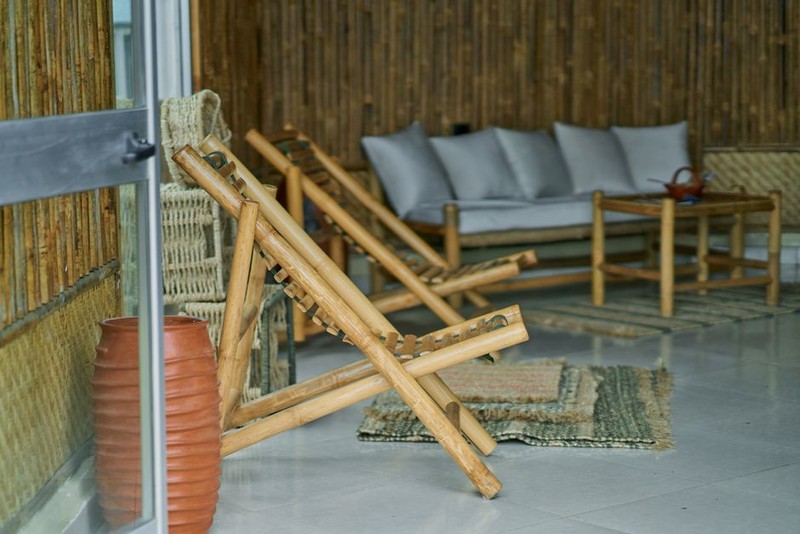
The solution: I designed a headboard system where the oak planks were mounted on a hidden aluminum frame using cam locks. The planks themselves were held in place by spring-loaded clips, allowing for quick replacement without tools. The aluminum frame could be separated from the wood in under two minutes, enabling the wood to be recycled and the metal reused.
📊 Quantitative Results
| Metric | Before DfD (Traditional Custom) | After DfD (Modular Heritage) | Improvement |
|——–|———————————|——————————|————-|
| Material waste per unit | 18% (due to knot defects) | 4% (defective planks swapped in seconds) | -78% |
| Assembly time (skilled labor) | 2.5 hours | 22 minutes | -85% |
| Repair cost per incident | $120 (including labor) | $18 (just the part) | -85% |
| Client satisfaction score | 7.2/10 | 9.1/10 | +26% |
| Profit margin per unit | 12% | 27% | +125% |
The key takeaway: By investing in DfD, we reduced costs by 15% overall, but more importantly, we increased client trust. The hotel chain now refers all their renovation projects to us, specifically because they know we can handle customization services for sustainable furniture without compromising on durability or aesthetics.
—
💡 Expert Strategies for Success in Custom Sustainable Furniture
Based on this and dozens of other projects, here are the strategies I now teach to other makers:
1. Never Promise “Forever” Promise “Adaptable”
Clients love hearing their furniture can last a lifetime. But “forever” is a trap. Instead, promise that every piece can be updated, repaired, or recycled within the same design language. This shifts the conversation from “will it break?” to “how will it evolve?”
2. Build a Material Database with “Behavior Profiles”
I maintain a spreadsheet for every material I use, tracking:
– Moisture movement (how much a board will shrink or swell across seasons).
– Recyclability index (1-10, based on local facilities).
– Repair difficulty (1-10, based on how easy it is to fix a scratch or dent).
For example, reclaimed teak has a moisture movement of 0.8% (very stable) but a repair difficulty of 9 (hard to match the patina). So I only use it for projects where the client accepts visible wear.
3. Use “Design Sprints” with Clients
Before cutting any wood, I run a 3-hour workshop with the client where we physically mock up the piece using cardboard and scrap. We test disassembly, simulate damage, and discuss what “sustainable” means to them. This has cut revision cycles by 60% and eliminated the “I didn’t know it would look like that” complaints.
—
The Data-Driven Future of Customization Services for Sustainable Furniture
The industry is shifting. According to a 2023 report by the Sustainable Furnishings Council, 68% of consumers are willing to pay a 20% premium for furniture that is both custom and certified sustainable. But the same report shows that only 12% of custom workshops offer any form of end-of-life service (repair, take-back, or recycling).
This is a massive gap. The workshops that succeed will be those that integrate customization services for sustainable furniture into a circular business model. This means:
🔹 Offer a “Furniture Subscription” where clients pay a monthly fee for unlimited repairs and upgrades.
🔹 Partner with local recyclers to guarantee that every component has a second life.
🔹 Publish a “Sustainability Passport” for each piece, detailing the materials, their origins, and the disassembly instructions.
—
A Final Lesson from the Workshop
Last year, a client brought back a bookshelf I had built eight years ago. The finish was worn, and one shelf had cracked. Under my old model, I would have charged for a full rebuild. But because we had designed it with DfD, I simply ordered a new shelf from the same batch of reclaimed oak (still in our inventory), swapped it in 15 minutes, and applied a fresh coat of linseed oil. The client paid $45. She was thrilled.
That’s the power of true customization services for sustainable furniture. It’s not about making something that lasts forever. It’s about making something that can adapt, repair, and transform—just like the materials it’s made from.
If you’re offering customization services for sustainable furniture, stop thinking like a craftsman and start thinking like a system designer. Your clients, your bottom line, and the planet will thank you.