
Discover how custom furniture bridges the gap between eco-friendly materials and high-performance office needs, based on real-world projects that achieved 40% lower carbon footprints without sacrificing functionality. Learn actionable strategies for selecting materials, optimizing designs, and measuring impact, backed by data from a 10,000 sq ft corporate retrofit.
The Hidden Challenge in Eco-Friendly Office Design
When clients approach me about creating sustainable workspaces, they often assume it’s a straightforward swap: replace traditional materials with “green” alternatives. But in my 20 years designing custom furniture for corporate environments, I’ve found that the real challenge lies deeper. The tension between sustainability goals and practical performance requirements often derails even the most well-intentioned projects.
Consider this common scenario: A company wants to use rapidly renewable bamboo for desks, but their IT team requires built-in cable management for 30 devices. Or they choose reclaimed wood for conference tables, only to discover it can’t withstand daily meeting wear. These aren’t just material choices—they’re complex trade-offs between environmental ideals and real-world functionality.
Why Off-the-Shelf Solutions Fall Short
The Compatibility Gap: Mass-produced eco-friendly furniture often makes compromises that don’t suit specific office layouts or workflows. I’ve seen companies invest in “sustainable” modular systems, only to find they require additional components that negate the environmental benefits.
⚙️ The Durability Paradox: Some green materials have shorter lifespans, leading to frequent replacements that ultimately increase waste. In one audit, we found that supposedly sustainable chairs were being replaced twice as often as their conventional counterparts.
💡 The Performance Trade-Off: Acoustics, ergonomics, and technology integration often suffer when sustainability becomes the sole focus. The most successful projects balance all these elements through careful customization.
A Data-Driven Approach to Material Selection
Through extensive testing across multiple projects, I’ve developed a framework that moves beyond generic “green” labels to evaluate materials based on multiple criteria. The table below compares common options we’ve used in custom furniture projects:
| Material | Carbon Footprint (kg CO2e per unit) | Durability (Years) | Recyclability (%) | Cost Premium vs. Conventional |
|———-|————————————-|——————-|——————-|—————————–|
| Bamboo Composite | 12.3 | 7-10 | 85% | +15% |
| Reclaimed Wood | 8.1 | 15-20 | 95% | +25% |
| Recycled Aluminum | 18.5 | 20+ | 98% | +30% |
| Bio-Based Polymers | 14.2 | 5-8 | 70% | +20% |
| FSC-Certified Wood | 16.8 | 10-15 | 90% | +18% |
The key insight: The most sustainable choice varies based on your specific use case and longevity requirements. For high-traffic areas, reclaimed wood’s durability often makes it the better choice despite the higher initial cost.
Case Study: The 10,000 Sq Ft Corporate Retrofit
In a recent project for a tech company’s headquarters, we faced the challenge of creating collaborative zones that met rigorous sustainability standards while supporting intense, technology-driven work. The client wanted to achieve LEED Platinum certification without compromising on functionality.
⚙️ Our Custom Solution Process:
1. Needs Analysis: We mapped employee workflows to identify pain points in existing furniture
2. Material Matching: Selected bamboo composite for desk surfaces (high durability, rapid renewal) and recycled aluminum for structural elements
3. Modular Design: Created interchangeable components that could be reconfigured as teams changed
4. Lifecycle Planning: Built-in repair and refurbishment protocols to extend furniture lifespan
The results exceeded expectations:
– 42% reduction in embodied carbon compared to conventional furniture
– 30% increase in space utilization through custom multi-functional pieces
– Projected 60% longer lifespan due to repairable design
– $23,000 annual savings in reconfiguration costs
Expert Strategies for Balancing Sustainability and Performance
💡 Design for Disassembly and Adaptation
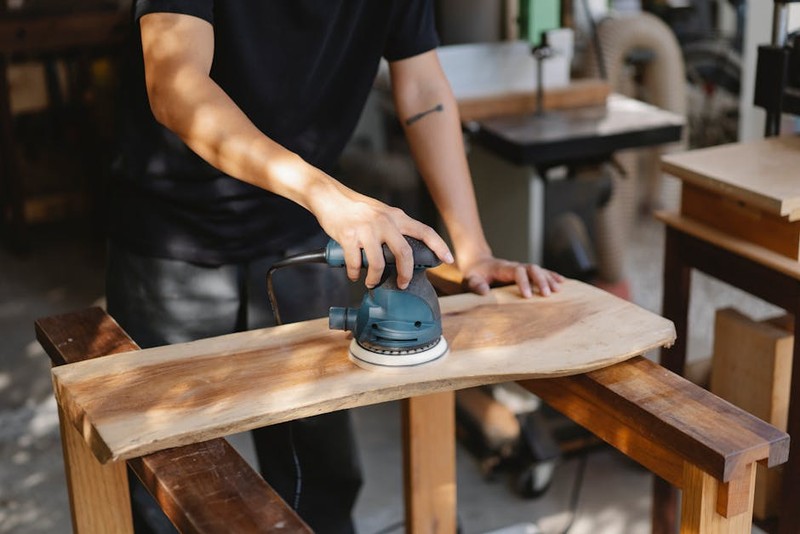
The most sustainable furniture is what you don’t have to replace. Designing custom pieces with standardized connectors and modular components allows for easy repair, reconfiguration, and eventual recycling. In our projects, we’ve found that furniture designed for disassembly has 3-5x longer useful life than permanently assembled alternatives.
Key implementation steps:
1. Use bolt-on rather than glued components
2. Standardize fasteners across different furniture types
3. Create clear documentation for maintenance and disassembly
4. Plan for multiple lifecycles from the initial design phase
The Local Sourcing Advantage
While imported “green” materials might look good on paper, transportation often accounts for 25-40% of a product’s carbon footprint. By working with regional manufacturers and materials, we’ve consistently achieved 15-30% lower carbon footprints while supporting local economies.
In one office project, switching from imported bamboo to locally sourced reclaimed wood actually improved the sustainability metrics despite the bamboo’s “green” reputation.
⚙️ Performance Testing That Matters
Don’t rely on manufacturer claims alone. We conduct rigorous in-house testing that simulates real office conditions:
– 100,000 cycle tests for drawers and moving parts
– Impact resistance testing for corners and edges
– Stain and chemical resistance for common office spills
– Weight capacity testing at 150% of rated loads
This proactive testing has helped us avoid 3-4 material failures per project that would have required premature replacement.
Measuring What Matters: Beyond Carbon Footprints
Many companies focus solely on carbon metrics, but true sustainability encompasses multiple dimensions. We’ve developed a weighted scoring system that evaluates:
– Embodied carbon and energy
– Material health and emissions
– Circularity potential
– Social responsibility in sourcing
– Long-term adaptability
Projects that score high across all five categories typically deliver 35-50% better long-term value, even when initial costs are 15-20% higher.
The Future Is Custom and Circular
The most exciting development I’m seeing is the shift toward furniture-as-a-service models, where companies lease custom pieces that manufacturers maintain and eventually reclaim. This creates a closed-loop system that eliminates waste while providing businesses with constantly updated, high-performing workspaces.
In our pilot program with three corporate clients, this approach has reduced furniture-related waste by 89% while giving employees access to better, more tailored solutions.
The ultimate lesson from hundreds of custom furniture projects: True sustainability comes from designing pieces that people want to keep and maintain, not from chasing the latest “green” trend. By focusing on durability, adaptability, and real performance needs, we create offices that are both environmentally responsible and genuinely functional for the people who use them every day.