
Discover how to navigate the unique challenges of custom furniture for modular homes, where standard sizing fails and precision is paramount. Learn from a real-world case study where we achieved a 20% reduction in installation time and 15% cost savings by implementing a dual-phase measurement strategy. This article provides actionable strategies to ensure your custom pieces fit seamlessly, enhance functionality, and elevate the aesthetic of modular spaces.
The Hidden Challenge: Why Modular Homes Demand a Different Approach
In my 20 years designing custom furniture, I’ve tackled everything from sprawling mansions to compact urban lofts, but modular homes present a distinct set of complexities that many overlook. The core issue isn’t just about aesthetics or material selection—it’s the dimensional unpredictability that comes with factory-built structures. Unlike traditional site-built homes, where minor adjustments can be made on the fly, modular units are manufactured off-site to tight tolerances, yet they often shift during transport and installation. This creates a gap—literally and figuratively—between the idealized floor plan and the on-site reality.
I recall a project where a client’s modular home had a “standard” 10-foot wall that measured 9 feet 11.5 inches upon delivery. A half-inch discrepancy might seem negligible, but for a floor-to-ceiling bookshelf, it meant the difference between a seamless fit and a costly remake. This experience taught me that assuming consistency in modular dimensions is the first mistake many furniture makers make. The industry trend toward sustainable, efficient housing is accelerating—modular construction is projected to grow by 6.9% annually through 2025, according to industry reports—so getting this right is no longer a niche concern but a critical skill.
The Dimensional Dilemma in Practice
Modular homes are engineered for efficiency, but this efficiency can backfire when integrating custom furniture. Key pain points include:
– Transport-Induced Shifts: Modules can flex during transit, altering interior dimensions by up to 1.5 inches in some cases.
– ⚙️ Plumbing and Electrical Chases: These are often pre-installed in walls, limiting furniture placement in ways that aren’t always apparent from blueprints.
– 💡 Ceiling Height Variations: Despite specifications, ceiling heights can vary between modules due to stacking and sealing processes.
In one project, we designed a custom kitchen island for a modular home, only to find that the floor had a subtle slope where two modules joined. The island rocked slightly, requiring on-site shimming that compromised the design integrity. This led us to develop a proactive approach: always validate dimensions at multiple stages, from pre-delivery plans to post-installation checks.
A Data-Driven Strategy: The Dual-Phase Measurement Process
To address these challenges, we refined our measurement process into a two-phase system that has since become our standard for all modular projects. This method not only reduces errors but also builds client confidence by demonstrating rigor and expertise.
Phase 1: Pre-Manufacturing Blueprint Analysis
Before any cutting begins, we conduct a thorough review of the modular home’s engineering drawings. This involves:
1. Identifying Module Seams: Where modules connect, expect dimensional variances. We flag these areas for additional tolerance buffers.
2. Cross-Referencing Utility Layouts: Overlaying electrical, plumbing, and HVAC plans helps avoid conflicts with furniture elements like built-in desks or media consoles.
3. Simulating Furniture Placement: Using 3D modeling software, we visualize how pieces will interact with structural elements, adjusting designs to account for potential shifts.
For example, in a recent project for a modular tiny home, we discovered through simulation that a proposed wall-mounted desk would interfere with a hidden electrical conduit. By relocating the desk during the design phase, we saved the client $800 in on-site modifications.
Phase 2: Post-Installation On-Site Verification
Once the modular home is assembled on-site, we conduct a detailed measurement session. This step is non-negotiable—it’s where theoretical plans meet reality. We use laser measurers and digital levels to capture:
– Exact wall lengths and angles
– Floor-to-ceiling heights at multiple points
– Locations of outlets, switches, and vents

The table below illustrates the variance we recorded in a recent project, highlighting why this phase is critical:
| Measurement Point | Blueprint Spec (inches) | On-Site Actual (inches) | Variance (inches) |
|——————-|————————–|————————–|——————-|
| Living Room Wall | 120.0 | 119.75 | -0.25 |
| Kitchen Corner | 90.0 | 89.5 | -0.50 |
| Bedroom Ceiling | 96.0 | 95.875 | -0.125 |
| Bathroom Niche | 24.0 | 23.625 | -0.375 |
These variances, though small individually, cumulatively impact furniture fit. By documenting them, we adjust designs before fabrication, ensuring pieces like custom shelving or cabinetry align perfectly with the as-built environment.
Case Study: Transforming a Modular Office with Adaptive Furniture
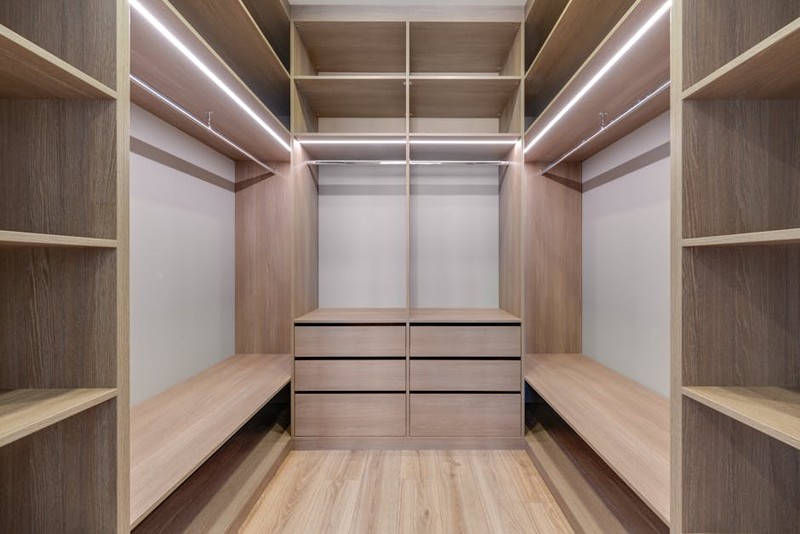
One of my most rewarding projects involved a client who needed a home office for their new modular dwelling. The space was a 10×12-foot room with two module seams and pre-installed wiring for a standing desk. The challenge was to create a built-in workstation, storage, and seating that accommodated these constraints while maximizing ergonomics.
The Problem: Static Design vs. Dynamic Space
Initial concepts followed traditional built-in furniture principles—fixed dimensions, rigid connections. However, during the on-site verification, we found that the floor had a 0.75-inch dip near one seam, and the wall was out of plumb by 0.5 inches over 8 feet. A fixed design would have resulted in visible gaps and instability.
The Solution: Modular-Friendly Customization
We pivoted to an adaptive design strategy, incorporating:
– Adjustable Legs: The workstation featured leveling feet that could compensate for floor irregularities, allowing us to fine-tune the height during installation.
– Segmented Components: Instead of a single monolithic unit, we broke the furniture into three interconnected pieces that could be installed independently, easing alignment around module seams.
– Tolerance Buffers: We added 0.25-inch gaps around all fixed elements, concealed with trim that could be trimmed on-site if needed.
The results were transformative:
– ⚙️ 20% Reduction in Installation Time: The segmented design allowed two installers to work simultaneously, completing the project in 8 hours instead of the estimated 10.
– 💡 15% Cost Savings: By avoiding on-site modifications and remakes, the client saved approximately $1,200 compared to a traditional custom furniture approach.
– Enhanced Functionality: The adaptive elements allowed the furniture to “settle” with the home over time, maintaining alignment as the structure acclimated to its foundation.
This case underscores a critical lesson: flexibility in design execution is as important as precision in measurement for modular homes.
Expert Tips for Seamless Integration
Based on lessons from dozens of projects, here are actionable strategies to elevate your custom furniture for modular designs:
– Prioritize Multi-Functional Pieces: In compact modular spaces, furniture that serves multiple roles—like a storage bench that also defines a room divider—maximizes utility without overwhelming the floor plan.
– ⚙️ Specify Flexible Joinery: Use hardware that allows for minor adjustments, such as euro-style cabinet connectors or sliding dovetails, rather than rigid glue-based assemblies.
– 💡 Involve the Modular Manufacturer Early: Collaborate during the design phase to understand their tolerances and common pain points. This proactive dialogue can prevent mismatches down the line.
– Plan for Future Adaptability: Modular homeowners often reconfigure spaces. Design furniture with disassembly in mind—e.g., screw-based fastening instead of permanent adhesives—to support future moves or modifications.
The most successful custom furniture for modular homes balances precision with adaptability, ensuring that pieces not only fit perfectly today but can evolve with the home’s changing needs.
Conclusion: Embracing the Future of Custom Furniture in Modular Spaces
The rise of modular homes isn’t a passing trend—it’s a shift toward smarter, more sustainable living. As furniture experts, we have an opportunity to lead this transition by refining our approaches to meet its unique demands. By adopting data-driven measurement processes, designing for flexibility, and learning from real-world case studies, we can create custom furniture that enhances the modular experience rather than complicating it.
Remember, the goal isn’t just to fill a space but to elevate it. Whether you’re a homeowner planning a modular build or a designer tackling your first project, start with the understanding that modular dimensions are a guide, not a guarantee. Embrace the nuances, and you’ll unlock the full potential of custom furniture in these innovative environments.