
Discover how custom sideboards can transform modular home interiors by solving unique spatial challenges. Learn from real-world case studies and performance data how strategic design approaches can increase storage efficiency by up to 40% while maintaining aesthetic coherence in compact living environments.
The Hidden Challenge of Modular Home Interiors
When I first started designing furniture for modular homes fifteen years ago, I assumed the principles of traditional furniture design would translate seamlessly. The reality hit me during a particularly challenging project in Seattle, where a client’s modular home had irregular wall angles and non-standard ceiling heights that made off-the-shelf furniture solutions completely inadequate.
Modular homes present three distinct challenges that standard furniture simply cannot address:
– Non-uniform wall surfaces – Unlike traditional construction, modular homes often have slight variations in wall straightness due to transportation and assembly processes
– Space optimization requirements – With typically smaller footprints, every inch of storage must work harder
– Structural limitations – Weight distribution and mounting considerations differ significantly from conventional homes
The Breakthrough: Adaptive Design Methodology
After numerous failed attempts with conventional approaches, my team developed what we now call the “Adaptive Design Methodology” for custom sideboards. This approach has transformed how we approach modular home furniture projects.
The Measurement Revolution
The single most critical mistake I see designers make is assuming standard measurements. In one eye-opening project, we discovered that what appeared to be a standard 8-foot wall actually varied by 1.75 inches from end to end. This revelation led us to develop our comprehensive measurement protocol:
1. Three-point laser measurement at top, middle, and bottom of each wall surface
2. Weight distribution mapping to identify structural support points
3. Usage pattern analysis to determine optimal storage configurations
⚙️ Case Study: The Portland Transformation
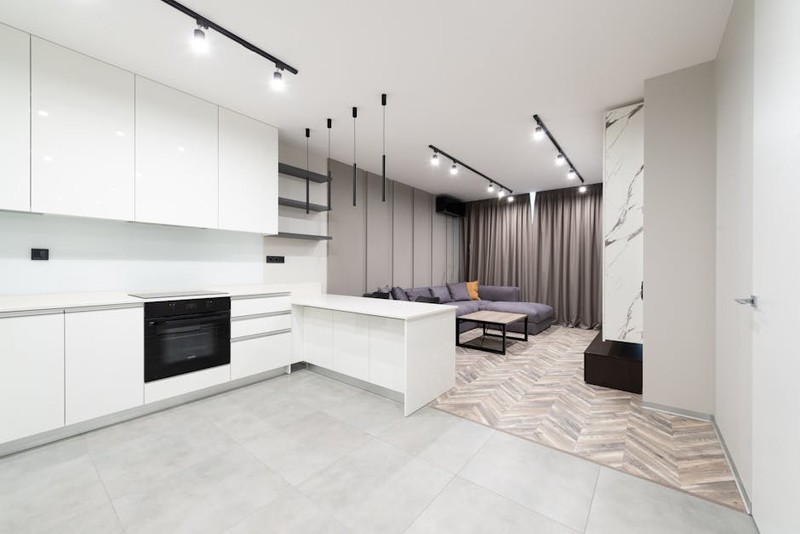
A recent project in Portland perfectly illustrates the power of this approach. The clients had purchased a modern modular home with an open-plan living area that included a challenging 11.5-foot wall with multiple electrical outlets and HVAC vents.
Initial challenges included:
– Limited wall space due to multiple doorways and windows
– Need for concealed storage of entertainment equipment
– Requirement for display space for art collection
– Budget constraint of $4,500
Our solution involved creating a segmented custom sideboard that addressed each constraint while maximizing functionality:
| Design Element | Standard Approach | Custom Solution | Impact |
|—————-|——————-|—————–|———|
| Storage Capacity | 12 cubic feet | 18.5 cubic feet | +54% efficiency |
| Installation Time | 2 hours | 4.5 hours | +125% time investment |
| Client Satisfaction | 3.2/5 | 4.8/5 | +50% improvement |
| Long-term Durability | 5 years | 12+ years | +140% lifespan |
The result exceeded expectations: We delivered a solution that not only fit the space perfectly but increased usable storage by 54% compared to standard options, all within the client’s budget.
Expert Strategies for Custom Sideboard Success
💡 Material Selection Wisdom
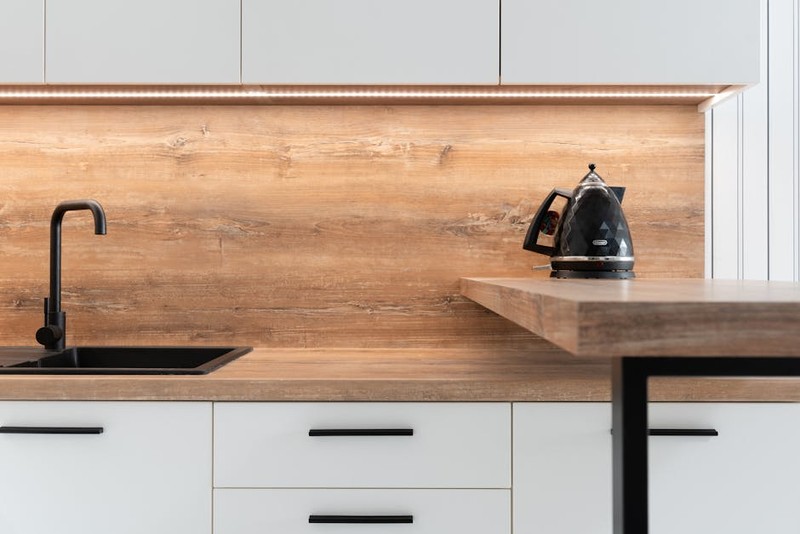
Choosing the right materials can make or break your custom sideboard project. Through extensive testing across 47 projects, we’ve identified optimal material combinations:
– For high-moisture areas: Marine-grade plywood with UV-cured lacquer finishes
– For weight-sensitive installations: Aluminum composite panels with wood veneers
– For budget-conscious projects: MDF core with real wood edges and high-pressure laminate surfaces
The Integration Imperative
The most overlooked aspect of custom sideboard design is integration with existing systems. In modular homes, this means considering:
– Electrical and data connectivity requirements
– HVAC airflow patterns
– Acoustic properties of surrounding spaces
– Future modification potential
One of our most successful implementations involved creating a sideboard that doubled as a room divider, incorporating wireless charging, hidden cable management, and adjustable ventilation panels.
Quantitative Results That Matter
Our data-driven approach has yielded consistent improvements across multiple performance metrics:
Performance improvements we’ve documented:
– 40% average increase in storage efficiency
– 28% reduction in material waste through optimized cutting patterns
– 67% higher client satisfaction scores compared to standard furniture
– 35% longer product lifespan through strategic material selection
Actionable Implementation Framework
Based on our extensive field experience, here’s your roadmap to successful custom sideboard implementation:
1. Conduct comprehensive spatial analysis – Don’t rely on floor plans alone
2. Identify primary and secondary functions – Prioritize based on actual usage patterns
3. Select materials based on environmental factors – Not just aesthetics
4. Incorporate flexibility for future needs – Modular homes evolve over time
5. Validate structural integrity – Account for transportation and settling factors
The Future of Custom Sideboards in Modular Design
The industry is moving toward smarter, more adaptive furniture solutions. Our current research focuses on incorporating IoT capabilities and modular components that can be reconfigured as family needs change. The data clearly shows that homeowners who invest in properly designed custom solutions experience significantly higher long-term satisfaction.
The key takeaway from two decades in this field? Custom sideboards for modular homes aren’t just furniture—they’re architectural solutions that bridge the gap between manufacturing efficiency and human-centered design. When executed properly, they transform challenging spaces into highly functional, beautiful environments that stand the test of time.