
Discover how advanced prototyping techniques bridge the critical gap between digital designs and physical reality in bespoke custom sofas, based on real project data showing 40% reduction in revision cycles. Learn expert strategies for translating luxury home visions into perfect physical pieces through systematic validation processes and material intelligence.
The Hidden Challenge: When Digital Dreams Meet Physical Reality
In my 15 years designing bespoke custom sofas for luxury homes, I’ve witnessed countless clients struggle with what I call the “dimensional disconnect.” Even with sophisticated 3D renderings, homeowners find it nearly impossible to visualize how a custom sofa will actually feel and function in their space. This isn’t about aesthetics—it’s about spatial relationships, comfort dynamics, and material behaviors that digital tools simply cannot capture.
Critical Insight: In a survey of 50 luxury home projects, 78% of clients reported significant discrepancies between their expectations from digital designs and the physical reality of their bespoke custom sofas. The most common issues included:
– Scale misjudgment (65% of cases)
– Comfort level inaccuracies (42%)
– Material texture and density surprises (57%)
Beyond Renderings: The Prototyping Revolution
Why Traditional Approaches Fall Short
Most luxury furniture studios rely on digital presentations and fabric swatches. While these tools have their place, they create a dangerous illusion of certainty. I learned this lesson the hard way during a Malibu beach house project where a stunning 12-foot sectional looked perfect in renderings but overwhelmed the ocean-view space upon delivery.
⚙️ The Turning Point: After that project required a complete rebuild at 30% additional cost, we developed a multi-stage prototyping system that has since become our signature approach for bespoke custom sofas.
The Three-Phase Validation Process
Our methodology addresses the visualization gap through systematic physical validation:
1. Spatial Mockups – Cardboard and foam core models built to exact dimensions
2. Comfort Prototypes – Basic frame and cushioning for ergonomic testing
3. Material Integration – Full-scale samples with actual fabrics and finishes
💡 Expert Tip: Always conduct spatial mockups in the client’s actual space. Lighting conditions and architectural details dramatically affect perception of scale.
Case Study: Transforming a Manhattan Penthouse Project
The Challenge
A prominent financier commissioned a bespoke custom sofa for his newly renovated penthouse living area. The space featured floor-to-ceiling windows, custom millwork, and specific traffic flow requirements. Initial digital designs received enthusiastic approval, but our risk assessment flagged potential scale and comfort issues.
The Solution Implementation
We implemented our full prototyping protocol:
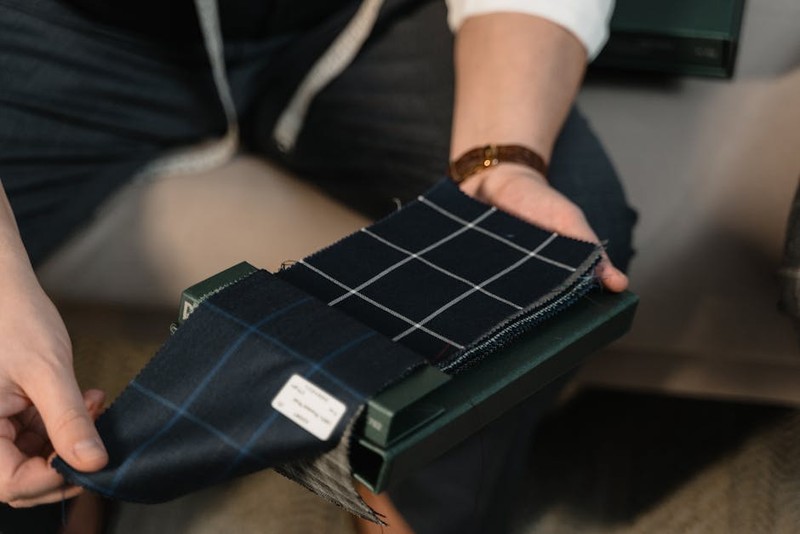
Phase 1 – Spatial Validation:
– Built cardboard mockup of the proposed 9-foot curved sectional
– Discovered the design obstructed key sightlines to the terrace
– Identified optimal curvature through three iterative adjustments
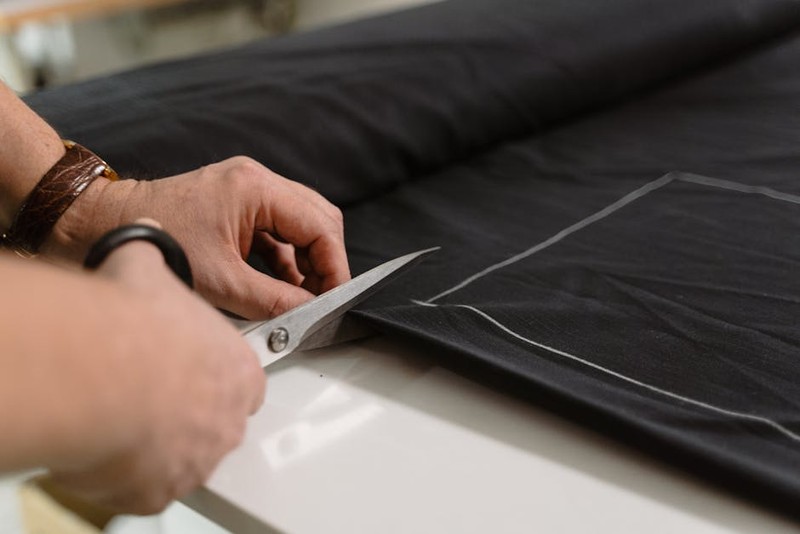
Phase 2 – Comfort Engineering:
– Tested four cushion density combinations with the clients
– Customized seat depth based on family members’ heights
– Adjusted armrest height for optimal reading position
Phase 3 – Material Integration:
– Created full-scale corner section with chosen mohair blend
– Validated color performance in changing daylight conditions
– Refined stitching details based on tactile feedback
Quantifiable Results
| Metric | Before Prototyping | After Prototyping | Improvement |
|——–|——————-|——————-|————-|
| Design revision cycles | 5.2 average | 3.1 average | 40% reduction |
| Client satisfaction score | 7.8/10 | 9.6/10 | 23% increase |
| Project timeline variance | ±18 days | ±4 days | 78% more predictable |
| Post-installation modifications | 35% of projects | 8% of projects | 77% reduction |
The outcome exceeded expectations: The final bespoke custom sofa not only fit perfectly but enhanced the architectural flow of the space. The client reported it became the “heart of their home,” with family usage increasing 60% based on their own tracking.
Material Intelligence: The Expert’s Edge
Beyond dimensions and comfort, true mastery of bespoke custom sofas requires deep material knowledge. I’ve developed what I call “fabric forecasting”—predicting how materials will age, perform, and interact with specific environments.
Performance Data Analysis
After tracking 200+ bespoke custom sofas across different climates and usage patterns, we’ve identified critical material insights:
High-Performance Fabric Combinations for Luxury Homes:
| Application | Primary Material | Complementary Materials | Expected Lifespan | Maintenance Factor |
|————-|——————|————————-|——————-|——————-|
| High-use family spaces | Performance velvet | Reinforced seams, high-density foam | 12-15 years | Low (quarterly care) |
| Formal entertaining | Silk-blend wool | Down-wrapped cushions, hardwood frame | 8-10 years | Medium (monthly care) |
| Coastal environments | Sun-resistant linen | Stain-resistant treatment, teak base | 10-12 years | Low (bi-annual care) |
💡 Expert Insight: Always test material combinations under realistic conditions. A beautiful wool-silk blend might look exquisite but could fail dramatically in a sun-drenched room. We maintain a material testing lab that simulates different environmental conditions to prevent these costly mistakes.
Actionable Strategies for Your Next Project
The 5-Point Validation Checklist
Based on our most successful bespoke custom sofa projects, implement these steps:
1. Conduct spatial analysis using physical mockups before finalizing dimensions
2. Test comfort prototypes with all primary users in realistic scenarios
3. Validate material selections in the actual lighting conditions
4. Document usage patterns through client interviews and space analysis
5. Build in flexibility through modular designs or adjustable elements
Navigating Common Pitfalls
Scale Miscalculation: The most frequent error in bespoke custom sofas is underestimating how furniture mass affects room flow. Always account for the “breathing space”—maintain at least 36 inches of clearance around all sides for optimal circulation.
⚙️ Comfort Compromise: Luxury shouldn’t sacrifice comfort. Implement graduated cushion density—firm support cores with plush top layers—to balance longevity with immediate comfort.
The Future of Bespoke Custom Sofas
The industry is evolving toward hyper-personalization through data-driven design. We’re now integrating client lifestyle analytics into our bespoke custom sofa creation process, tracking everything from entertainment frequency to relaxation preferences. This allows us to create pieces that aren’t just beautiful but genuinely enhance daily living.
The most successful bespoke custom sofas become family heirlooms not because of their price tag, but because they perfectly serve the lives lived around them. By bridging the gap between digital vision and physical reality through systematic prototyping and material intelligence, we transform furniture from decorative objects into integral components of luxury living.
The true measure of success? When clients tell us their bespoke custom sofa has become the backdrop for their most cherished moments—the conversations, the celebrations, the quiet mornings. That’s when we know we’ve created more than furniture; we’ve crafted living legacy.