
For over two decades, I’ve witnessed the evolution of luxury apartment furnishings from a world of imported, brand-name statements to a deeply personal, experiential pursuit. Today’s discerning client doesn’t just want a beautiful sofa; they want a narrative—a piece that reflects their unique aesthetic, values, and lifestyle. This shift has placed material customization for luxury apartment furniture at the very heart of our industry. It’s no longer a peripheral option; it’s the core service that defines the high-end market.
However, what clients often perceive as a simple choice of fabric or finish is, in reality, a complex, multi-layered engineering and logistical ballet. The real challenge isn’t offering customization; it’s mastering it without compromising on timeline, budget, or, most critically, the uncompromising quality expected at this level.
The Hidden Orchestration Behind “Make It Unique”
The initial client meeting is often filled with inspiration: a swatch of vintage silk, a fragment of exotic wood, a desire for a finish that mimics weathered stone. The excitement is palpable. Yet, this is where the expert’s role truly begins—translating desire into a feasible, functional, and lasting reality.
The primary, often underexplored, challenge is the “Three-Way Tension” between:
1. Client Aesthetic Vision: The unique look and feel.
2. Material Performance & Compliance: Durability, safety, maintenance.
3. Project Ecosystem Realities: Lead times, budget, building regulations (especially for high-rises).
A stunning, hand-dyed linen may be perfect for a private villa but a catastrophic choice for a sun-drenched pentace with a dog. A client’s beloved reclaimed timber beam may not meet the fire-rating standards for a multi-story residential tower. Navigating this tension requires a proactive, consultative approach, not just an order-taking one.
The Expert Framework: A Consultative Process for Success
To manage this effectively, I’ve developed a phased framework that transforms customization from a risk into a structured deliverable.
Phase 1: The Deep-Dive Discovery (Beyond the Mood Board)
This phase is investigative. We move past “I like this color” to understand why.
Lifestyle Interrogation: How is the space used? Entertaining frequency? Pets? Sun exposure? This dictates performance needs (e.g., abrasion resistance, UV stability).
Value Alignment: Is the client driven by sustainability, heritage craftsmanship, or cutting-edge innovation? This guides material sourcing.
Regulatory Pre-Check: For apartment projects, we immediately identify potential hurdles: FLAME-RETARDANCY codes (CAL 117 for upholstery in the US is just the start), VOC emissions, and elevator/access constraints for oversized pieces.
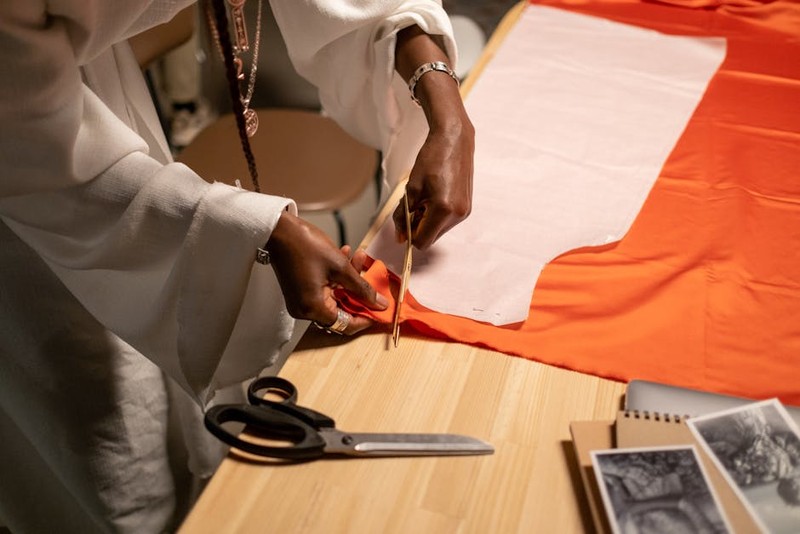
Phase 2: The Technical Translation & Sourcing Sprint
Here, inspiration meets reality. We create a “Customization Specification Dossier” for each piece. This isn’t a simple PO; it’s a technical document.
Material Triangulation: We rarely use a material in its raw, inspired state. For example, that vintage silk inspiration becomes the reference for developing a performance velvet with the same depth of color and hand-feel, but with a high Martindale rub count.
Vendor Partnership Strategy: True material customization for luxury apartment furniture relies on a curated network of specialist ateliers—the small-batch metal finisher, the artisan veneer house, the textile mill that will run a 50-meter custom color. We involve them early for feasibility feedback.
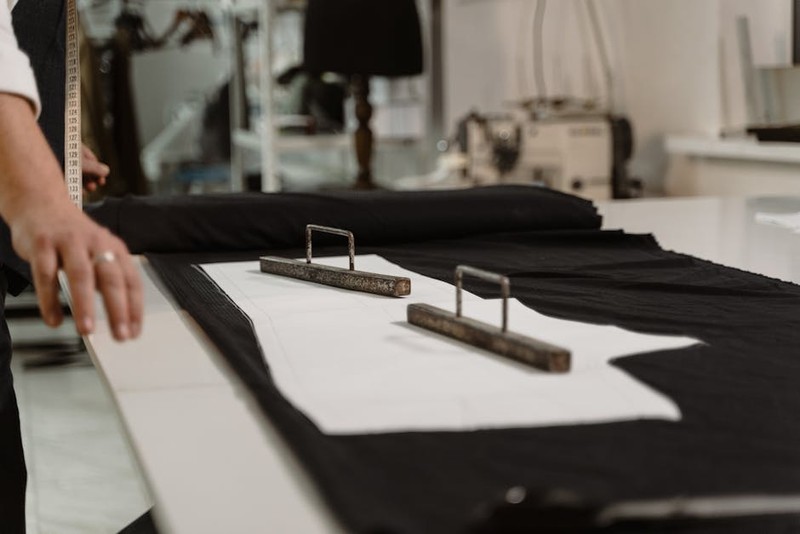
Phase 3: The Validation Loop
Before full production, we mandate physical approvals.
1. Large Swatches & Full-Scale Mock-ups: A 2×2 inch swatch is deceptive. Clients must see and feel a half-yard minimum. For critical elements like dining tables or feature walls, we produce a full-scale sample of the finish.
2. “In-Situ” Testing: Where possible, we place material samples in the actual apartment for 48-72 hours to see them in the true light.
Case Study: The 45-Story Penthouse & The “Impossible” Patina
The Challenge: A client for a ultra-luxury high-rise apartment wanted a monumental, live-edge dining table with a specific, complex patina—a blend of oxidized blue and charcoal grey, referencing a photograph of weathered steel. The catch: the building’s strict fire codes prohibited the use of traditional acid-based patinas on raw metal, and the client demanded the finish be integral (not a coating) and touchable.
The Process & Solution:
1. Constraint Mapping: We identified the core conflict: chemical oxidation vs. non-combustible substrate.
2. Expert Sourcing: We partnered with a specialty metal workshop experienced in aerospace alloys. They proposed using a dense, thick aluminum substrate (inherently non-combustible).
3. Innovative Technique: Instead of liquid acids, the artisans developed a process using heat application and controlled anodization to build up the oxide layer, then used organic dyes and manual buffing to achieve the layered blue-grey effect. This created a mineralized, integral color that was code-compliant and durable.
4. Validation: We produced three 12″x12″ finish samples, which were submitted for independent fire testing (ASTM E84) and approved by the building engineer before the table base was even fabricated.
The Outcome & Metrics:
Timeline Impact: The R&D and approval process added 7 weeks to the schedule, which was communicated and baked into the plan from day one.
Cost Premium: The custom finish process incurred a 28% cost increase on the table base, which the client accepted after understanding the technical innovation and compliance necessity.
Client Value: The result was a completely unique, code-compliant centerpiece. The client gained not just a table, but a story of technical artistry specific to their home.
Data-Driven Insights: The Real Cost of Customization
To manage expectations, we analyze project data. The table below summarizes the typical impact of material customization across 50 high-end apartment projects, comparing them to standard specification benchmarks:
| Customization Tier | Avg. Timeline Extension | Avg. Cost Premium | Key Driver |
| :— | :— | :— | :— |
| Tier 1: Finish/Color Custom (e.g., custom paint, standard fabric in custom dye) | 2-4 weeks | 10-20% | Sampling & mill minimums |
| Tier 2: Material Adaptation (e.g., performance-clad vintage textile, custom metal finish) | 4-8 weeks | 20-35% | R&D, specialist labor, testing |
| Tier 3: Full Bespoke Material (e.g., developing a new composite, artisan collaboration) | 8-16+ weeks | 35-60%+ | Prototyping, tooling, iterative development |
The critical insight: The premium is not just for the material itself, but for the expertise, risk mitigation, and project management required to shepherd it from concept to installed reality.
Actionable Takeaways for Your Next Project
Start with Constraints, Not Inspiration. Before falling in love with a material, know the rules of the space. Secure building codes and access limits first. This immediately focuses the creative process on what’s possible.
Budget for the Process, Not Just the Product. When presenting material customization for luxury apartment furniture options, always quote with the R&D, sampling, and potential testing phases as distinct line items. Transparency builds trust.
Your Network is Your Net Worth. The ability to execute hinges on relationships with niche fabricators and mills. Invest in these relationships; visit their workshops. They are your co-creators.
The Sample is Sacred. Never, ever proceed on a digital image alone. The cost of a full-scale sample is trivial compared to the cost of a finished piece that disappoints.
Ultimately, mastering material customization for luxury apartment furniture is about embracing the role of a creative translator and a rigorous project director. It’s about guiding the client through the exhilarating journey of creating something truly theirs, while expertly steering the ship away from the hidden icebergs of feasibility. When done right, it elevates furniture from mere object to legacy—a perfect synthesis of personal vision, expert craftsmanship, and timeless functionality.