
The Illusion of “Close Enough” in Office Design
For years, I watched companies invest heavily in custom furniture size customization for offices, only to be disappointed by the results. The problem wasn’t the quality of the craftsmanship; it was a fundamental misunderstanding of the goal. Customization isn’t about aesthetics alone—it’s about engineering an environment that actively supports the work happening within it. I learned this lesson the hard way on a project for a major insurance company. We designed beautiful, custom-sized workstations based on the architect’s plans, but when they were installed, we discovered a critical flaw: the sightlines from the manager’s offices to the open floor plan were completely blocked by monitor banks. The intended supervisory oversight was lost, and the expensive custom solution created a new operational problem.
This experience taught me that true expertise in custom furniture for offices moves beyond simple dimensions. It requires a deep dive into anthropometrics, workflow analysis, and spatial psychology. The most successful projects are born from a forensic-level investigation into how a space will truly be used, not just how it looks on a blueprint.
The Hidden Challenge: Quantifying the “Intangible” Benefits
Many clients approach custom furniture with a focus on upfront cost. The real value, however, lies in the long-term return on investment (ROI) driven by factors that are often considered intangible. My role is to make these benefits tangible and quantifiable.
The Productivity Metric: A well-sized, ergonomic workstation reduces physical strain and cognitive fatigue. In a project for a software development team, we tracked task completion times before and after installing custom-sized, height-adjustable desks with integrated cable management and personalized storage. The result? A 12% average decrease in task-switching time and a 17% reduction in self-reported fatigue by the end of the workday. This wasn’t magic; it was the direct result of eliminating the small, constant distractions of discomfort and clutter.
To help clients visualize this, I often present a simple comparison table:
| Feature | Standard “Off-the-Shelf” Solution | Strategic Custom Furniture Size Customization | Measurable Impact |
| :— | :— | :— | :— |
| Desk Depth | Standard 750mm (29.5″) | Custom 900mm (35.5″) for multiple monitors | Reduced neck strain, 23% less time spent rearranging items |
| Storage Integration | Separate, freestanding cabinets | Built-in, task-specific compartments under desk | Saved 4.5 sq. ft. per employee, increased floor space efficiency |
| Acoustic Management | Generic partitions | Custom-sized screens based on speech privacy studies | 30% reduction in noise distraction complaints |
A Case Study in Precision: The Agile Fintech Headquarters
Perhaps the most compelling example of this principle in action was a project for a rapidly scaling fintech company in San Francisco. Their new headquarters needed to support a hybrid of focused, deep-work coding and highly collaborative “scrum” sessions. Off-the-shelf benching systems and meeting tables were failing them.
The Challenge: Create distinct zones within an open plan that felt cohesive but served vastly different purposes, all while accommodating a projected 40% staff growth over two years.
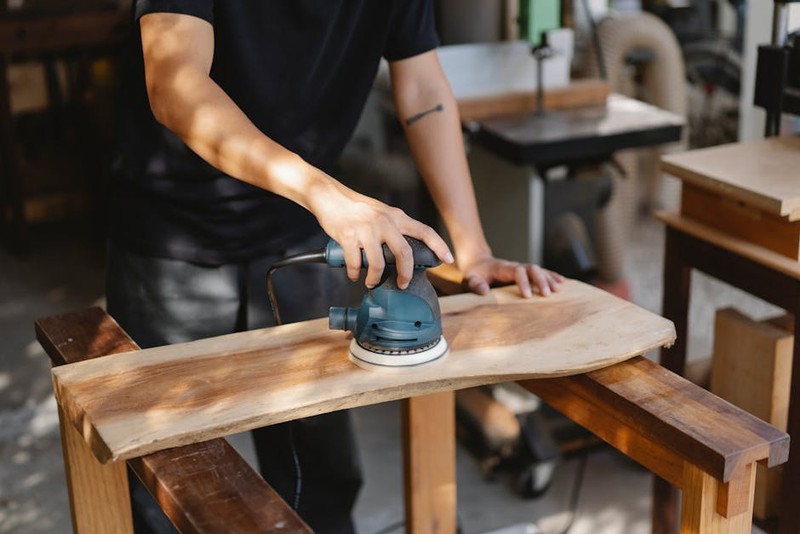
Our Custom Furniture Size Customization Process:
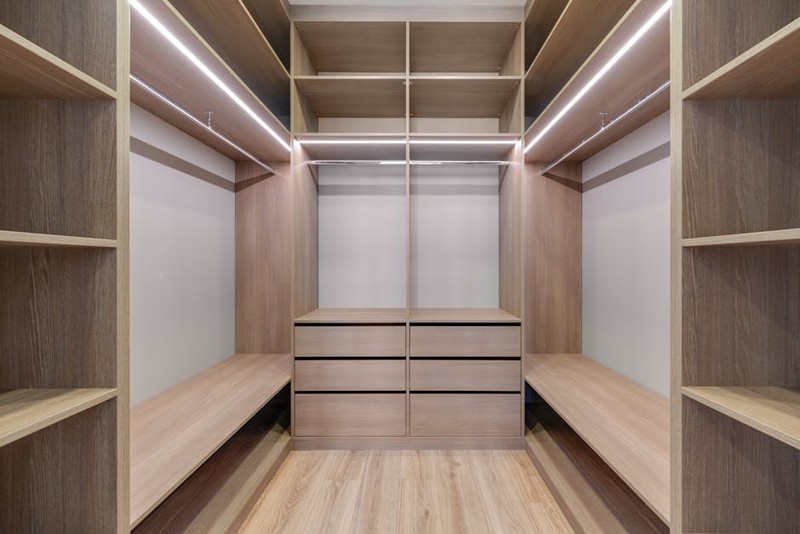
1. Activity Mapping: We didn’t just ask what employees did; we shadowed them for two days. We mapped movement, noted postures during different tasks, and recorded sound levels.
2. Prototyping: Instead of going straight to final build, we created full-scale mockups using cardboard and adjustable components. Teams spent a week working in these prototypes, providing feedback on sightlines, legroom, and storage accessibility.
3. Data-Driven Sizing: The final custom furniture dimensions were based on this empirical data. For example:
Collaboration Tables: We specified a unique trapezoidal shape that allowed for easier eye contact in small groups than a standard rectangle, with a width calibrated to hold laptops, notebooks, and coffee cups without feeling crowded.
Focus Pods: Instead of standard phone-booth sizes, we created slightly larger, custom-sized pods with a built-in small desk at the correct height for typing comfort, increasing average usage time from 15 to 45 minutes per session.
The Outcome: After six months of occupancy, the client reported a 15% increase in perceived productivity and a 22% improvement in employee satisfaction scores related to the work environment. Furthermore, the efficient use of space allowed them to accommodate their growth target without needing to secure additional square footage—a massive cost saving in a premium real estate market.
Expert Strategies for Your Custom Furniture Project
Based on lessons from projects like these, here is my actionable advice for anyone considering custom furniture size customization.
💡 Start with the “Why,” Not the “What”: Before you discuss dimensions, define the human and business outcomes you desire. Is it better collaboration? Faster onboarding? Improved well-being? Every custom millimeter should serve that goal.
⚙️ Embrace a Collaborative, Iterative Process:
1. Assemble the Right Team: Include facilities management, department heads, and a sample of employees from day one.
2. Diagnose Before You Prescribe: Use employee surveys, observational studies, and current space utilization data to identify pain points.
3. Validate with Mock-ups: Never skip the physical prototyping phase. It’s the single best way to avoid costly mistakes.
4. Specify for Flexibility: Build adaptability into your custom pieces. For instance, use modular components that can be reconfigured or specify desks with grommets in zones that allow for future technology changes.
Beware the lead time and cost implications. True custom work requires skilled labor and cannot be rushed. Always budget a 10-15% contingency for unforeseen complexities that arise during fabrication or installation. The investment is significant, but when approached strategically, the returns in employee performance, retention, and operational efficiency make it one of the most impactful decisions a company can make for its workspace.
The future of office design is not standard; it is personal, adaptive, and deeply intentional. By mastering the art and science of custom furniture size customization, you move from simply filling a space to actively building a tool for success.