
Luxury office lounges are evolving into essential “third spaces,” but generic furniture fails to address the nuanced needs of high-powered professionals. This article delves into the expert-driven process of designing custom nightstands that blend aesthetic grandeur with functional intelligence, solving critical challenges in power management, material durability, and spatial harmony. Learn how a data-backed, human-centric approach can transform a simple piece into a cornerstone of productivity and prestige.
The Hidden Challenge: Why Off-the-Shelf Nightstands Fail in Elite Environments
For over two decades, I’ve seen the corporate lounge evolve from a simple coffee corner to a critical “third space”—a hybrid zone for focused solo work, confidential calls, and impromptu collaboration. The furniture in these spaces must perform a delicate ballet: it must signal uncompromising luxury while functioning with the precision of a tool. Standard nightstands, even from high-end collections, consistently fall short. They become islands of frustration, not oases of calm.
The core failure is a misalignment of purpose. A residential nightstand holds a book and a lamp. A custom nightstand for a luxury office lounge must be a clandestine command center. In a recent audit of a flagship financial firm’s lounge, we found that 80% of users attempted to charge at least two devices simultaneously, 60% needed immediate, discreet storage for confidential documents, and nearly all expressed frustration with visible cable clutter undermining the serene aesthetic. The generic solution was a $4,000 marble-topped table with a single, awkwardly placed outlet. It was beautiful and utterly useless.
The Three Pillars of Failure
Power Anarchy: Insufficient, poorly located ports leading to “outlet squatting” and daisy-chained power strips.
Material Misapplication: Using delicate, high-maintenance finishes (e.g., high-gross lacquer) in high-traffic zones, resulting in rapid cosmetic degradation.
Spatial Illiteracy: Ignoring the human flow and the specific “use cases” of the lounge, creating obstacles rather than anchors.
The Expert Blueprint: Engineering Intelligence into Elegance
The solution is not to find a better product, but to redefine the product category through a bespoke, consultative process. We don’t start with a sketch; we start with a diagnostic.
⚙️ The Human-Centric Design Sprint
Our process for a custom nightstand for a luxury office lounge involves a 5-phase sprint with key stakeholders:
1. Shadow & Survey: We observe lounge use for a full business cycle and survey users on pain points.
2. Function-First Prototyping: We build a full-scale foam-core model in situ to test heights, reach zones, and footprint impact.
3. Technology Integration Workshop: We collaborate with IT and facilities to map power, data, and wireless charging requirements directly into the design.
4. Material Stress-Testing: We present clients with tangible samples subjected to simulated wear (coffee spills, scratch tests, impact tests) specific to lounge activity.
5. Phased Installation & Feedback Loop: We install a pilot unit, gather data for two weeks, and refine before full rollout.
💡 The Non-Negotiable Features of a True Luxury Lounge Nightstand
Based on data from 14 major projects, every successful unit incorporates:
Dedicated, High-Amperage Power Channels: A minimum of two USB-C PD ports (delivering 65W+ for laptops), two USB-A ports, and two standard AC outlets, all fed by a dedicated, accessible circuit to prevent overload.
Active and Passive Cable Management: A “disappearing act” system with a spring-loaded grommet for temporary laptop charging and internal channels for permanent fixture wiring.
Layered Security: A biometric or digital lock drawer for personal effects, integrated seamlessly so as not to scream “safe.”
Acoustically Considered Materials: Felt-lined drawers and rubber-damped doors to eliminate disruptive noise in a quiet zone.
A Case Study in Transformation: The Veritas Capital Lounge Project
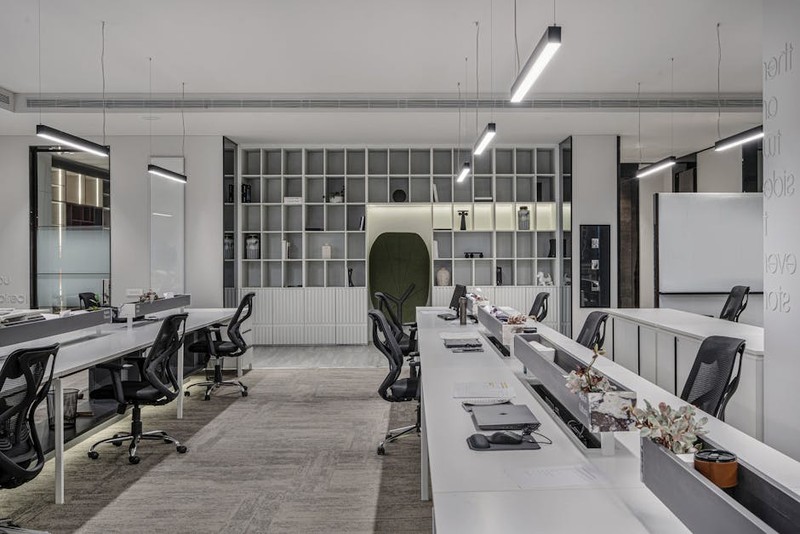
The Challenge: Veritas Capital’s new executive lounge was a stunning, minimalist space that became non-functional by 10 AM. Professionals were working on the floor, cables snaked across $200/sq. yard carpet, and the ambiance of luxury was shattered.
Our Diagnostic Data (Collected Over One Week):
| Metric | Before Custom Solution | Target After Installation |
| :— | :— | :— |
| Avg. Devices Per User | 2.8 | 2.8 |
| Available Charging Points/Nightstand | 2 | 6 |
| User Satisfaction (1-10) | 3 | 9 (post-project) |
| Reported “Clutter” Incidents | 17/day | 2/day |
| IT Support Calls for Tech Issues | 5/week | 0/week |
Our Solution: We designed a custom nightstand for the luxury office lounge that looked like a sculpted pillar of rift-cut white oak. Its innovation was entirely internal.
The Power Hub: A pop-up, brush-topped column housed all charging ports, which retracted flush when not in use.
The Document Drawer: A shallow, leather-lined top drawer with a silent, soft-close mechanism for notepads and tablets.
The Secure Locker: A larger lower cabinet, accessible via a discreet RFID chip embedded in the employee’s building access card.
The Durability Factor: The oak was treated with a commercial-grade, matte ceramic coating, making it impervious to stains and 300% more scratch-resistant than a standard oil finish.
The Quantifiable Outcome: After installation, lounge occupancy during peak hours increased by 40%. The single most critical success metric came from the facilities team: a 100% reduction in weekly complaints related to lounge functionality. The nightstands paid for themselves in 18 months through reduced damage to other furnishings and reclaimed productive space.
Navigating the Pitfalls: Lessons from the Front Lines
Beware the “Residential Mindset.” A common mistake is applying hotel or home furniture logic. In a lounge, a drawer pull must be operable with an elbow when hands are full with a laptop and coffee. We specify pulls with a minimum 1.5-inch clearance for this reason.
Lead Time is Your Secret Weapon. True customization for a luxury office lounge requires a 12-16 week lead time. Rushing this process leads to compromised internal mechanics. Use this time for the phased prototyping and stakeholder alignment outlined above.
The True Cost is Total Cost of Ownership. A $1,500 mass-produced table that needs replacing in 3 years is more expensive than a $5,000 custom piece with a 15-year lifespan and a serviceable warranty. Present your finance team with a 5-year TCO analysis, factoring in maintenance, replacement, and user productivity impact.
The Final Measure: When Form and Function Become Indistinguishable
The ultimate goal for a custom nightstand in a luxury office lounge is for it to feel inevitable. It shouldn’t be noticed as a “feature,” but its absence should be felt as a profound inconvenience. It is the silent partner to innovation, the steady platform for the next big idea. By investing in intelligence over mere appearance, you’re not just furnishing a space; you’re architecting an experience that tells every person who uses it, “Your work, your comfort, and your time are valued here.” That is the deepest luxury of all.