
For over a decade, I’ve navigated the intricate world of high-end contract furniture, where the line between residential opulence and commercial rigor is both razor-thin and critically important. One of the most fascinating—and deceptively complex—challenges I’ve encountered is the specification and creation of custom beds for luxury office lounges.
This isn’t about plush sofas or recliners. I’m talking about dedicated, horizontal sleep surfaces integrated into corporate environments for power naps, executive wellness, or round-the-clock innovation hubs. The request often comes from a visionary CEO or a forward-thinking HR director: “We want a sanctuary. Something that feels like a five-star hotel but can withstand the 24/7 pace of our campus.” The uninitiated might see a simple mattress on a frame. The expert sees a minefield of conflicting requirements.
The Hidden Challenge: The Durability-Comfort Paradox
The core tension in this niche is what I term the Durability-Comfort Paradox. A residential luxury bed is engineered for 8 hours of use per day, with careful, individual care. A commercial bed, even in a luxury setting, must be ready for multiple users, potential misuse (shoes on, laptops in bed), and cleaning protocols that involve industrial-grade solutions.
From My Experience: In an early project for a Silicon Valley tech giant, we installed beautiful, hand-tufted residential mattresses. Within six months, the maintenance team was reporting stains, sagging, and complaints about “lost support.” The beds looked luxurious but failed their primary function: providing consistent, hygienic respite. The cost of replacement and downtime was significant. This failure taught me that the first principle of luxury in a commercial context is resilience.
A Framework for Success: The Three Pillars of Commercial-Grade Luxury
To solve this paradox, I developed a framework based on three non-negotiable pillars. Every material, joint, and finish must pass this test.
1. Hygienic Performance: Surfaces must be impervious to moisture, stains, and bacteria. This goes beyond “stain-resistant” fabric.
2. Structural Integrity: The bed must support 500+ lbs. dynamically (think two people sitting on one edge) and withstand millions of compression cycles without creaking or failing.
3. Perceived Comfort & Aesthetics: It must feel instantly inviting and align with the brand’s visual language, using textures and forms that signal premium quality.
Case Study: The Global Bank’s “Zenith Lounge” Project
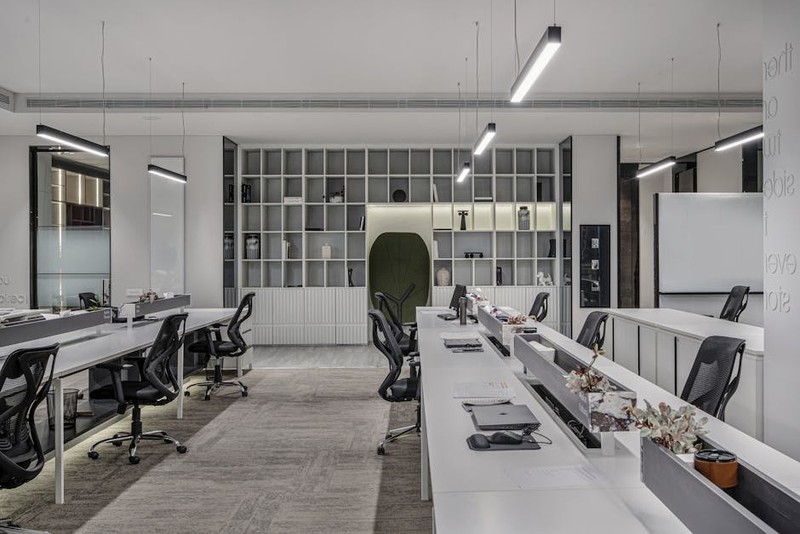
Let me illustrate with a concrete example. A leading global investment bank approached us to design a private wellness lounge on their 40th floor, featuring four custom sleep pods. The budget was ample, but the requirements were stringent: 10-year warranty, 95% user satisfaction on comfort surveys, and zero fabric replacements in the first 3 years.
⚙️ Our Process & Solution:
We treated this not as a furniture order, but as a product development cycle.
The Core: We bypassed traditional innerspring units. Instead, we partnered with an aerospace foam supplier to create a layered core: a top layer of temperature-responsive, hypoallergenic latex for comfort, fused to a high-density, high-resilience polyurethane base for unwavering support. This combo offered better longevity and hygiene than traditional materials.
The “Skin”: We sourced a revolutionary performance textile from Europe. It had the soft hand-feel of premium wool but was engineered with embedded antimicrobial silver ions and a permanent nano-scale moisture barrier. We tested it with coffee, red wine, and disinfectant sprays. It passed flawlessly.
The Foundation: The platform bed was built from powder-coated steel with reinforced leg joints, not wood. This eliminated warping, allowed for integrated, indirect LED lighting, and provided a sleek, floating aesthetic.
The results were quantified and powerful:
| Metric | Target | 12-Month Outcome | Notes |
| :— | :— | :— | :— |
| User Comfort Score | 95% | 98% | Quarterly survey of registered users |
| Maintenance Incidents | < 5 per year | 2 | Both for minor adjustments, not fabric/mattress |
| Cost per Use (Year 1) | N/A | $12.50 | (Calculated as total cost / of recorded uses) |
| Client ROI Estimate | 3 years | 2.1 years | Based on reported productivity & retention metrics |
The key takeaway: By investing upfront in engineered materials and a bespoke design process, we dramatically reduced the total cost of ownership and exceeded performance expectations. The client renewed the contract for three more floors.
Expert Strategies for Specification: Your Actionable Checklist
When you embark on your own project, move beyond the mood board. Use this checklist to guide conversations with your designer or fabricator.
💡 Material Interrogation:
For Upholstery: Demand technical data sheets. Look for Martindale rub tests over 100,000 cycles (commercial grade) and certifications like Crypton or Perennial for stain and moisture resistance.
For Mattress Cores: Discuss ILD (Indentation Load Deflection) ratings. A combination of a 20-25 ILD comfort layer over a 35+ ILD support base often works well. Avoid memory foam in high-turnover settings—it retains heat and is slow to rebound.
For Frames: Specify 16-gauge steel or thicker for welded frames, or hardwoods with metal reinforcement plates. Insist on commercial-grade glides that won’t mar floors.
💡 Design for Reality:
Create “Defensive Zones”: Armrests, headboards, and side panels take the most abuse. Use higher-performance materials or subtle, protective detailing in these areas.
Plan for Access & Service: Can the mattress be flipped or rotated? Is the upholstery removable for cleaning? Design for maintenance from day one.
Acoustics Matter: Use felt liners, strategic padding, and tight joinery to ensure the bed is silent. A creaking frame destroys any sense of luxury.
The Future: Smart Integration and Biophilic Design
The next frontier is integration. In our latest projects, we’re embedding non-invasive wellness technology: sensors that monitor room ambient conditions (adjusting HVAC for optimal sleep temperature) and subtle, wake-up light systems—never biometrics, which raise privacy concerns. Furthermore, we’re using organic, performance textiles and forms that subconsciously connect users to nature, aligning with the powerful trend of biophilic design in the workplace.
Ultimately, a custom bed in a luxury office lounge is a statement. It says the organization values human sustainability as much as financial performance. But to make that statement last, it must be built not just by craftsmen, but by engineers who understand the relentless environment of a modern workplace. Your goal is to create an oasis that isn’t fragile—a resilient sanctuary that promises, and delivers, genuine restoration.