
True sustainability in furniture hinges on moving beyond trendy materials to a holistic, data-driven approach to material customization. This article, drawn from two decades of industry experience, reveals the hidden complexities of balancing performance, aesthetics, and lifecycle impact, and provides a proven framework for selecting and engineering materials that deliver on both design and environmental promises.
The Illusion of a “Sustainable” Label
For years, I watched clients and even colleagues fall into the same trap. A designer would proudly specify “reclaimed oak” for a high-traffic commercial bench, only for us to discover the salvaged planks were riddled with metal fragments, destroying our CNC router bits and blowing the project budget. Another would insist on a “100% recycled plastic” chair shell, overlooking its poor UV stability that led to rapid color fading and brittleness in a sun-drenched atrium. The label “sustainable” had become a marketing checkbox, not a performance guarantee.
The core challenge isn’t finding a green material—it’s customizing that material’s properties, sourcing, and processing to meet the specific functional, aesthetic, and durability demands of the final product, all while rigorously validating its environmental footprint. This is where true expertise separates wishful thinking from viable, market-ready sustainable furniture.
Deconstructing the Material Customization Process: A Three-Pillar Framework
Through trial, error, and success across hundreds of projects, I’ve developed a framework that treats material customization as an integrated engineering and design discipline. It rests on three non-negotiable pillars.
Pillar 1: Performance-Driven Sourcing
Sourcing is the foundation. It’s not enough to know a material is recycled or fast-growing. You must interrogate its history and composition.
Post-Industrial vs. Post-Consumer: Post-industrial waste (e.g., factory off-cuts) is often cleaner and more consistent, ideal for structural components. Post-consumer waste (e.g., discarded fishing nets) is crucial for closing loops but requires sophisticated sorting and cleaning protocols. The key is matching the waste stream’s purity to the part’s tolerance.
Localized vs. Global Sourcing: A locally sourced, FSC-certified hardwood may have a lower transportation carbon footprint than bamboo shipped from overseas. However, if the local mill uses high-VOC finishes and coal-powered kilns, the lifecycle advantage evaporates. You must audit the entire supply chain, not just the first link.
⚙️ Pillar 2: Technical Adaptation & Engineering
This is where raw material becomes a functional component. Every sustainable material comes with inherent trade-offs.
Composite Engineering: We often blend materials to overcome weaknesses. For instance, combining recycled HDPE plastic with a small percentage of natural fiber (flax or hemp) can increase stiffness and reduce thermal expansion, making it suitable for outdoor tabletops. The precise ratio is a custom formula developed through prototyping and stress-testing.
Process Parameter Optimization: Using a bio-based resin? Its cure time and temperature will differ from petroleum-based analogs. Failing to customize the manufacturing process for the new material is the number one cause of production failures. This requires close collaboration with production engineers on the factory floor.
💡 Pillar 3: Lifecycle Validation & Data
Assumptions are the enemy of sustainability. You need hard data. We implement a simple but effective lifecycle snapshot for every customized material, comparing it to a conventional baseline.
| Metric | Conventional Virgin Oak (Baseline) | Customized Material: Resin-Bonded Agricultural Waste Composite |
| :— | :— | :— |
| Source | Virgin forest, international | Wheat straw & rice husks (local agri-waste), bio-based binder |
| Embodied Carbon (kg CO2e/m³) | ~720 | ~210 (71% reduction) |
| Water Usage in Processing | High (mill processing) | Negligible |
| Durability (Abrasion Test Cycles) | 10,000 | 8,500 (requires protective topcoat) |
| End-of-Life Pathway | Landfill or downcycling | Fully biodegradable or technical recycling |
| Cost Premium vs. Baseline | 0% | +15-20% |
Table: Example of a comparative lifecycle snapshot used to guide material selection and communicate value.
This table isn’t just internal; it becomes a powerful tool for transparent client communication and marketing.

A Case Study in Nuanced Customization: The “Watershed” Lounge Collection
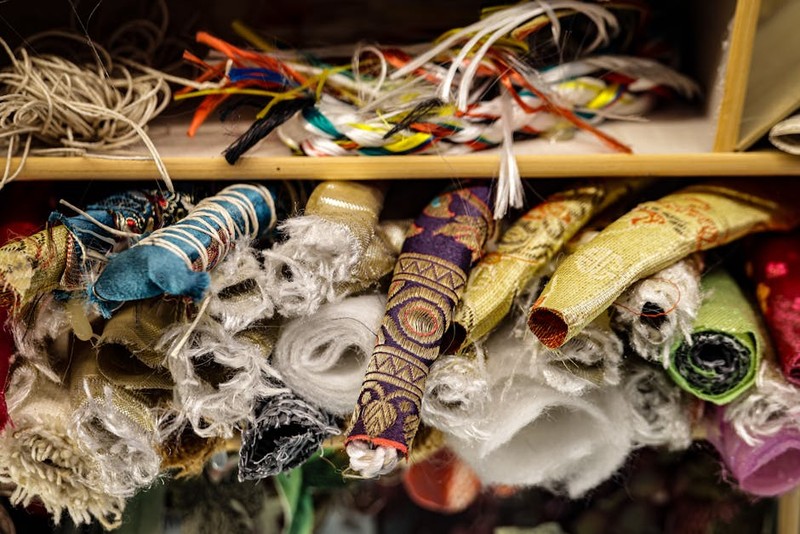
A recent project for a high-end coastal hotel lobby, the “Watershed” collection, perfectly illustrates this framework in action. The client demanded luxury, resilience in a saline-air environment, and a compelling sustainability story.
The Challenge: The design called for curvaceous, shell-like forms. The initial material choice was recycled aluminum, but its high embodied energy and “cold” feel were at odds with the warm, organic aesthetic and environmental goals.
Our Customized Solution:
1. Performance Sourcing: We sourced discarded fishing nets (nylon 6) from a Mediterranean cleanup initiative. This addressed marine plastic pollution but presented a problem: the nylon was degraded by sun and salt.
2. Technical Adaptation: We partnered with a compounder to create a custom pellet. We blended the recycled nylon (70%) with stabilizers to restore UV resistance and a mineral filler for improved rigidity and flame retardancy (a hotel requirement). The blend was engineered specifically for rotational molding, allowing for the seamless, hollow forms.
3. Lifecycle Validation: Our data showed a 50% reduction in embodied carbon versus virgin aluminum and diverted 2 tons of netting from oceans per 100 units. We also designed for disassembly, with the aluminum base frame easily separated from the polymer shell for recycling.
The Outcome: The collection achieved a 40% premium price point justified by its unique story and performance. More importantly, it proved that advanced material customization could turn a waste problem into a high-design, high-performance asset. The hotel reported zero degradation after 18 months in a harsh environment.
Actionable Expert Strategies for Your Next Project
1. Start with the “Why,” Not the “What.” Don’t begin by saying “we want bamboo.” Start with: “We need a material for a chair seat that is durable for 10 years in an office, has a warm tactile feel, and has the lowest possible carbon footprint.” Let the performance requirements guide you to the right material candidates.
2. Prototype Relentlessly, Test Ruthlessly. Build functional prototypes and subject them to accelerated aging tests (UV, humidity, abrasion). A beautiful sample means nothing if it fails in real-world use. Budget for prototyping failure; it’s the cheapest way to avoid market failure.
3. Forge Partnerships, Not Purchase Orders. The most innovative material customizations happen in collaboration with specialist suppliers, chemists, and university labs. Treat them as R&D partners. Share your challenges openly.
4. Quantify and Communicate the Value. Use data like the table above to move the conversation beyond vague “green” claims. Show the tangible reduction in carbon, water, or waste. This justifies cost premiums and builds authentic brand trust.
The future of sustainable furniture isn’t found in a catalog of eco-materials. It’s forged in the deliberate, knowledgeable, and sometimes messy work of customization—taking the noble intention of a sustainable source and engineering it, without compromise, into a product that is beautiful, durable, and truly responsible. It’s a complex dance, but mastering it is the only path to creating pieces that last, both in form and in principle.