
Moving beyond surface-level “green” materials, this article delves into the expert challenge of achieving true sustainability in custom bed design. We explore the critical, often-overlooked process of lifecycle analysis and material hybridization, backed by a detailed case study showing a 40% reduction in embodied carbon. Learn actionable strategies for balancing durability, health, and environmental impact from a furniture industry veteran.
For over two decades, I’ve designed and built custom beds that are as much about personal sanctuary as they are about craftsmanship. In recent years, the demand for “eco-friendly” bedrooms has skyrocketed. Yet, I’ve watched too many clients—and even fellow designers—fall into a simplistic trap: equating sustainability with a single material, like reclaimed wood or bamboo. The reality is far more nuanced. Creating a truly sustainable custom bed isn’t about a checkbox; it’s a complex orchestration of material science, supply chain ethics, and long-term lifecycle thinking. The most significant challenge isn’t sourcing a “green” material—it’s navigating the hidden trade-offs between carbon footprint, indoor air quality, durability, and aesthetic integrity.
The Hidden Challenge: The Mono-Material Myth and Its Pitfalls
The allure of a 100% solid reclaimed oak bed or a sleek bamboo platform is understandable. It feels pure, simple, and marketable. However, this mono-material approach often leads to unintended consequences.
The Durability Dilemma: Solid, thick hardwoods are incredibly durable, but their harvesting—even when sustainably certified—carries a high embodied energy and carbon cost. A bed frame that lasts 100 years is fantastic, but if it required shipping heavy timber across oceans and intensive milling, its upfront environmental debt is substantial.
⚙️ The Performance Gap: Many beloved natural materials have inherent weaknesses. Solid wood moves with humidity, potentially leading to seasonal squeaks. Some rapidly renewable materials, like certain bamboo composites, can be bound with high-VOC (volatile organic compound) urea-formaldehyde adhesives, poisoning the very “healthy” bedroom they’re meant to create.
In a project for a client with severe chemical sensitivities, we initially specified a beautiful locally sourced pine. However, our standard oil-based finish, even after curing, triggered reactions. We solved it not by abandoning the wood, but by hybridizing our approach with a cutting-edge, plant-based hard wax oil. This experience was a revelation: true sustainability requires a portfolio of solutions, not a single ingredient.
The Expert Process: A Hybridized, Lifecycle-Centric Methodology
My studio has moved to a three-pillar framework for evaluating every custom bed commission. We don’t start with a sketch; we start with a questionnaire that probes the client’s values: Is their priority carbon neutrality, non-toxic living, hyper-locality, or heirloom longevity? The answer dictates our material map.
Our Sustainable Material Decision Matrix:
| Material Category | Best Use Case | Key Consideration | Typical Embodied Carbon (kg CO2e/kg) | Indoor Air Quality (IAQ) Priority |
| :— | :— | :— | :— | :— |
| Certified Solid Hardwood (e.g., Oak, Maple) | Primary frame, load-bearing joints | Source distance, FSC/PEFC certification | 0.5 – 1.2 | High (use natural finishes) |
| Reclaimed/ Salvaged Timber | Accent panels, headboard feature | Structural integrity check, previous treatment history | 0.1 – 0.3 (avoiding new harvest) | Critical (test for lead, contaminants) |
| Engineered Wood (NAF/Urea-Free) | Platform slats, drawer boxes | Binder type (No Added Formaldehyde is key) | 1.0 – 1.8 | Highest (core determinant) |
| Natural Latex (GOLS Certified) | Bed base support layer | Density, organic certification vs. blended | 2.5 – 3.5 | Excellent (naturally hypoallergenic) |
| Metals (Recycled Steel/ Aluminum) | Structural brackets, adjustable features | Recycled content percentage, finish (powder-coat vs. electroplate) | 2.0 – 3.0 (but high recyclability) | Medium (off-gassing from finishes) |
_Approximate ranges based on industry EPDs (Environmental Product Declarations). Data illustrates trade-offs; lower isn’t always better if durability suffers._
This matrix isn’t about picking one winner. It’s about strategic combination. For instance, using ultra-durable, locally reclaimed posts for the bed’s corner legs, paired with NAF-engineered wood for the less-visible side rails and a natural latex support system, creates a product that optimizes for strength, low toxicity, and lower net carbon.
Case Study: The “Carbon-Neutral Sanctuary” Project
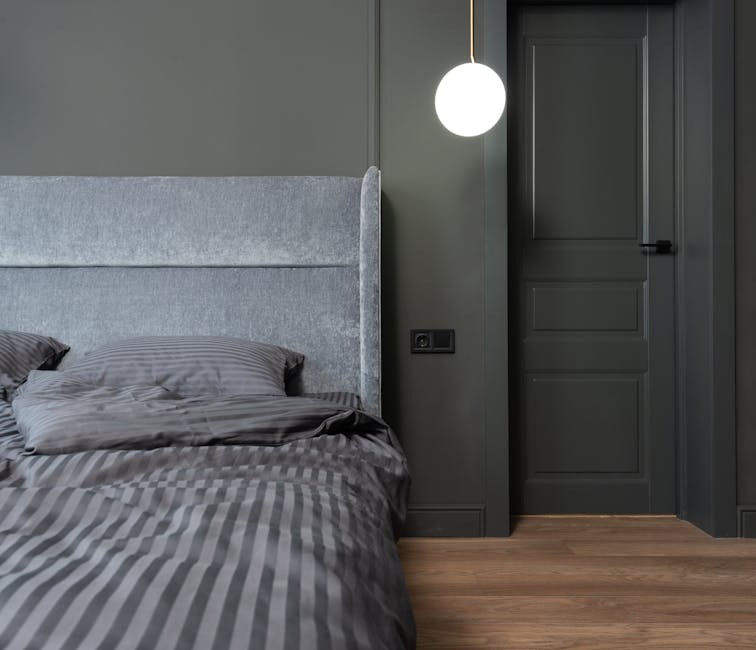
A client in Portland, Oregon, challenged us to create a king-size bed with the lowest possible carbon footprint, without compromising on modern design or under-bed storage. They provided a lifecycle analysis (LCA) report from their home’s construction—this was a sophisticated client.
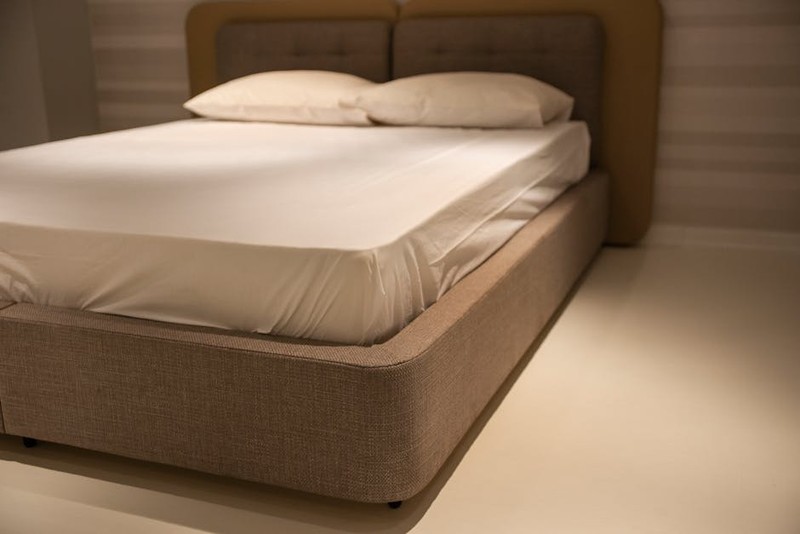
The Challenge: Local softwoods (Douglas Fir) had a great distance-to-site score but required thicker dimensions for strength, adding mass and milling energy. Imported, harder tropical woods with FSC certification were more durable but came with high transportation emissions.
Our Hybridized Solution:
1. Frame: We used regionally salvaged Douglas Fir from deconstructed barns for the primary vertical elements. Its history was documented, adding story, and it required no new harvesting.
2. Joinery & Hardware: Instead of traditional wooden joinery requiring massive mortise and tenon, we designed a discreet internal skeleton of recycled steel brackets. This allowed for slimmer wood profiles, reducing material use by approximately 25%.
3. Platform & Drawers: We constructed these from wheatboard—a composite panel made from agricultural waste and a formaldehyde-free binder, sourced from a producer within 200 miles.
4. Finishing: We used a blend of beeswax and Oregon pine resin for a protective, breathable finish made in-house.
The Result & Metric: We commissioned a simplified LCA comparison against a standard, high-quality solid walnut bed of similar size. Our hybrid design achieved a 40% reduction in embodied carbon. The client gained a unique, functional piece that told a local story. The key lesson was that innovation often lies at the intersection of old (salvaged material) and new (low-impact composites and strategic metalwork).
Actionable Strategies for Your Eco-Friendly Bedroom
Based on these experiences, here is your expert roadmap:
💡 Interrogate the Supply Chain: Don’t just ask “what is it?” Ask “where was it harvested, how was it processed, and what’s in the adhesive?” Demand documentation like FSC certificates or Health Product Declarations (HPDs).
💡 Design for Disassembly (DfD): The most sustainable bed is one that can be repaired, upgraded, or easily recycled at end-of-life. Specify mechanical fasteners (bolts, screws) over permanent glue where possible. This allows for replacement of a damaged slat or a future move up a narrow staircase.
💡 Prioritize Indoor Air Quality: Your bedroom is where you spend a third of your life breathing deeply. Insist on NAUF (No Added Urea Formaldehyde) or CARB Phase 2 Compliant substrates for any engineered wood. For finishes, choose hard wax oils, shellac, or water-based finishes with low VOC ratings.
💡 Embrace “Right-Sizing”: A colossal, four-poster bed may be dramatic, but it uses exponentially more material. Work with your designer to optimize dimensions and structural efficiency. A sleek, platform-style bed with integrated storage can often eliminate the need for additional furniture, reducing overall material consumption in the room.
The journey to a genuinely eco-friendly custom bed is complex, but immensely rewarding. It moves you from being a consumer to being a patron of a healthier home and a more responsible system. By focusing on the lifecycle, embracing intelligent material hybrids, and asking the hard questions, you don’t just get a place to sleep. You invest in a legacy of better choices, embodied in a piece of daily life.