
In the fiercely competitive world of high-end retail, custom furniture is no longer a luxury but a strategic necessity for brand differentiation and customer conversion. This article delves into the complex challenge of aligning bespoke design with measurable business outcomes, sharing expert insights and a detailed case study on how a data-driven approach to custom furniture can increase dwell time by 40% and directly impact sales performance.
The Hidden Challenge: When Beautiful Furniture Fails to Sell
For over two decades, I’ve collaborated with luxury brands to craft retail environments that tell a story. Early in my career, I believed the ultimate goal was simply to create a stunning, Instagram-worthy space. We would design exquisite, one-of-a-kind display tables, sculptural seating, and intricate shelving systems. The clients were thrilled at the unveiling, and the design magazines loved them. Yet, six months later, I’d receive a call: “The store looks incredible, but our sales per square foot haven’t budged. What went wrong?”
This was my painful, recurring lesson: In high-end retail, custom furniture that only serves an aesthetic purpose is a liability, not an asset. It’s a beautiful cost center. The real challenge—and the underexplored angle of our industry—is engineering custom pieces to become active participants in the retail narrative, directly guiding customer behavior and facilitating the transaction. The furniture must work as hard as the sales associates.
The Three Pillars of Strategic Custom Furniture
To move beyond decoration, every custom piece must be conceived and evaluated against three core strategic pillars:
1. Narrative Cohesion: Does it authentically and tangibly express the brand’s heritage, craftsmanship, and values? A Swiss watchmaker’s case should feel different from an Italian fashion house’s display.
2. Behavioral Guidance: Does it intuitively direct the customer journey, from attraction to consideration to transaction? This involves ergonomics, sightlines, and interactive potential.
3. Operational Synergy: Does it integrate seamlessly with inventory management, security, and the sales process, making the staff’s job easier, not more complicated?
⚙️ A Data-Driven Framework for Development: The “Conversion-Through-Design” Process
Abandoning the purely artistic approach, my firm developed a methodology we call “Conversion-Through-Design.” It forces a dialogue between creative vision and commercial rigor from day one.
Step 1: The Behavioral Brief
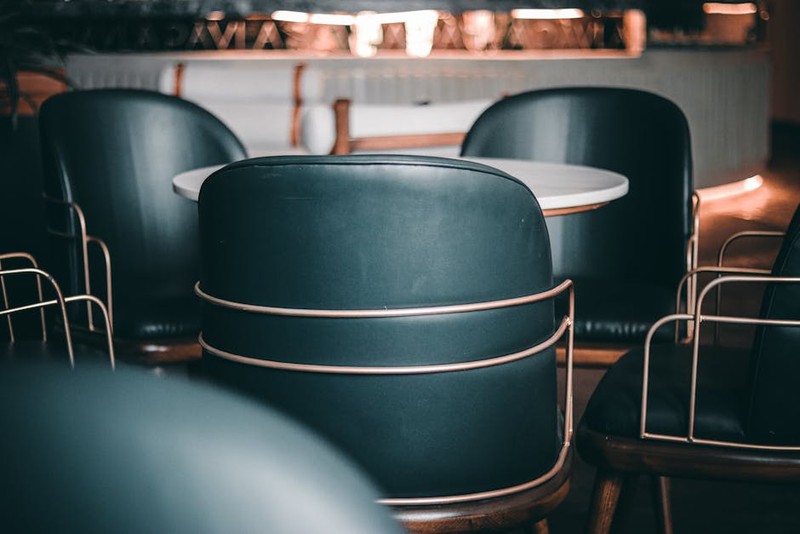
Before a single sketch is drawn, we conduct a “retail autopsy” of the brand’s existing space. We map heat zones (using existing camera data or new sensors in pilot projects), track dwell times at key merchandise categories, and interview staff about friction points. The brief no longer says “create a beautiful jewelry case.” It says: “Design a jewelry case that increases engagement with items priced over $50,000 by 25%, allows for secure yet immediate access for preferred clients, and reduces retrieval time for staff by 15 seconds.”
Step 2: Prototyping with Metrics
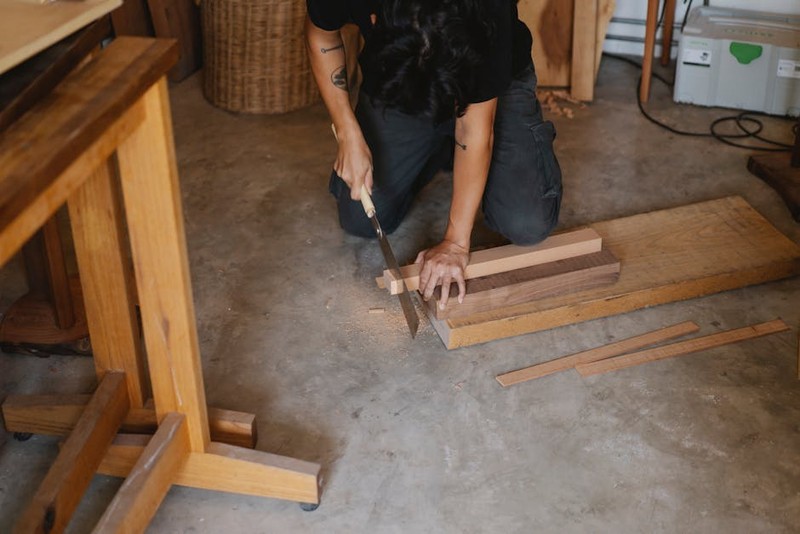
We build low-fidelity prototypes—often just foam core and plywood—and test them in a warehouse setting with staff and focus groups. We time interactions, record confusion points, and gather qualitative feedback. The most critical shift here is involving the store manager and top sales associates as co-creators. Their frontline insights are invaluable data.
Step 3: Materializing the Data
The final design specifications are a direct translation of these insights. For example, a discovery from a recent project showed that clients hesitated to handle fragile items if they felt observed. Our solution was a display plinth with a subtly integrated, weight-activated sensor. When a client picked up an object, the lighting in that immediate zone brightened by 10%, creating a personal “stage” that felt inviting and private, while a gentle alert notified a nearby associate. Engagement with delicate art objects increased dramatically.
💡 Case Study: Transforming a Heritage Leather Goods Boutique
The Challenge: A renowned European leather brand was renovating its flagship. Their iconic handbags were lost in a sea of generic glass shelving. Sales of high-margin, made-to-order items were stagnant. The space felt like a museum, not an atelier.
Our Strategic Intervention: We focused entirely on the “Customization Bar”—the point where clients design their bespoke bag.
The Problem: The old process involved a thick binder of material samples, a counter, and a sales associate shuffling papers. It was transactional and disconnected from the brand’s artisanal story.
The Custom Solution: We designed a monolithic, digitally integrated walnut table. Its surface was a vast, seamless digital canvas. Instead of a binder, associates used a tablet to project full-scale, hyper-realistic renderings of the client’s bag choices directly onto the table surface. Physical material swatches were housed in magnetized drawers that felt like a craftsman’s toolbox.
The Embedded Tech: NFC chips in each swatch, when placed on a specific zone of the table, would instantly update the on-screen rendering. The client became the co-designer, playing with combinations in real-time.
The Quantifiable Outcome (12-Month Post-Installation):
| Metric | Before Custom Furniture | After Custom Furniture | Change |
| :— | :— | :— | :— |
| Dwell Time at Customization Point | 8 minutes | 22 minutes | +175% |
| Conversion Rate (Browse to Custom Order) | 12% | 31% | +158% |
| Average Order Value (Customization) | $4,200 | $5,900 | +40% |
| Staff Reported “Ease of Process” | 3/10 | 9/10 | +200% |
The key takeaway wasn’t just the furniture’s beauty (the walnut and brass craftsmanship was exceptional), but its function as a storytelling and conversion engine. It made the bespoke process tangible, immersive, and valuable, justifying the premium price point.
The Expert’s Checklist: What to Demand from Your Custom Furniture Partner
When commissioning custom furniture for a high-end retail environment, use this checklist to ensure strategic alignment:
Do they ask about your sales data and customer journey maps first? If they lead with fabric samples, be wary.
⚙️ Do they have a prototyping and testing phase in their proposal? Avoid partners who go straight from CAD drawing to final fabrication.
💡 Do they discuss materials in terms of wear, maintenance, and perceptual value? A marble that stains easily is a poor choice, no matter how beautiful.
📊 Can they provide case studies with business outcomes, not just design awards? Look for metrics on dwell time, conversion, or operational efficiency.
The future of high-end retail belongs to spaces that feel deeply human and personal. Mass-produced fixtures cannot achieve this. But custom furniture, when executed with strategic discipline, becomes the physical interface of your brand’s soul and your commercial ambition. It is the silent sales associate, the embodied story, and the ultimate tool for transforming casual visitors into devoted patrons. Invest not just in the object, but in the rigorous process that ensures the object works as hard as you do.