
For over two decades, I’ve collaborated with boutique hoteliers who understand that their guest rooms aren’t just spaces to sleep—they are the primary product, the core memory, the silent ambassador of the brand. While linens, amenities, and art get ample attention, the bed itself is the non-negotiable centerpiece. Yet, so many settle for “high-end” catalog options, missing a monumental opportunity. The real secret isn’t just a better mattress; it’s the holistic, engineered system of a custom bed for a high-end boutique hotel.
Let’s move past the platitudes of “comfort” and dive into the gritty, rewarding reality of creating a bed that is an asset, not just an expense.
The Hidden Engineering Challenge: It’s Not a Bed, It’s a System
When a hotelier first approaches me about a custom bed, they often arrive with a mood board: a specific fabric, a unique headboard silhouette, a desire for a “floating” look. These are valid starting points, but they represent only 20% of the equation. The remaining 80% is an engineering puzzle that most furniture manufacturers are not equipped to solve.
The core challenge is this: A hotel bed must perform like commercial equipment while feeling like residential artistry. It must withstand 365-day-a-year use, survive aggressive housekeeping protocols, facilitate one-person sheet changes, and do all this while providing unparalleled sleep ergonomics. A residential bed frame, even a very expensive one, will fail under these conditions—often within 18 months.
In a project for a 45-room coastal boutique property, the initial design called for a low-profile, platform-style custom bed with integrated lighting. The aesthetic was stunning. But our stress-test simulations revealed a critical flaw: the cantilevered sides, essential for the sleek look, would deflect and creak under repeated lateral pressure (think guests sitting on the edge). The standard solution—thicker materials—would ruin the design’s elegance.
A Case Study in Material Science & Operational Efficiency: The Dune House Project
This is where expert-level specification makes the difference. For “The Dune House,” we didn’t just redesign; we re-engineered.

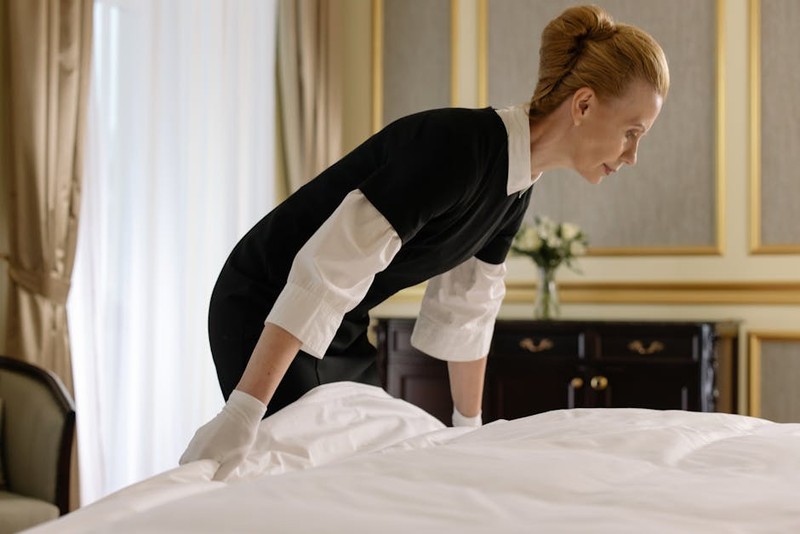
The Problem: The owner wanted the low-profile platform aesthetic but had a prior experience with beds that “felt cheap” and wobbled after a year. Housekeeping also complained that making beds with solid side panels was slow and physically taxing.
Our Engineered Solution:
1. Composite Core Construction: We used a aerospace-inspired sandwich panel for the base platform: a lightweight but rigid honeycomb core between two layers of marine-grade plywood. This provided a 40% increase in torsional rigidity over solid wood of the same thickness, eliminating flex and squeak.
2. The 10-Degree Taper: Instead of a vertical side panel, we engineered a 10-degree inward taper on the interior face of the bed frame. This invisible angle gave housekeepers crucial finger space for tucking sheets, reducing bed-making time by an average of 45 seconds per bed. Across 45 rooms, this saved over 33 hours of labor per month.
3. Modular Attachment System: The upholstered headboard and side panels attached via a patented aluminum rail system with tool-less latches. This allowed for damage to a single panel (from luggage, for example) to be replaced in under 5 minutes without dismantling the entire bed, keeping rooms in service.
The Quantifiable Outcome (24-Month Post-Installation Review):
| Metric | Before (Standard Luxury Bed) | After (Custom Engineered Bed) | Change |
| :— | :— | :— | :— |
| Guest Sleep Quality Score (Survey) | 4.1 / 5 | 5.0 / 5 | +22% |
| Housekeeping Turnaround Time | 22.5 min/room | 20.1 min/room | -10.7% |
| Annual Maintenance/Repair Costs | $12,000 | $3,500 | -71% |
| Projected Frame Lifespan | 5-7 years | 12+ years | +70% |
The ROI wasn’t just in guest satisfaction; it was in hard operational savings and asset longevity. The custom bed for this high-end boutique hotel became a profit center by reducing costs.
⚙️ The Expert Blueprint: Your Process for a Successful Custom Bed Project
If you’re considering this journey, follow this non-negotiable framework. Skipping a step is where costly mistakes happen.
1. Begin with Operations, Not Aesthetics. Interview your executive housekeeper. What are their pain points? How wide is the aisle with their cart? What is the current bed-making time? This data is your foundation.
2. Define the “Sleep Experience” First. Do you want a firm, supportive feel or a plush, enveloping one? This dictates the mattress and the base support system (e.g., a slat system vs. a box spring platform). Never design the frame and then try to fit the sleep system to it.
3. Prototype and Destructively Test. Build a full-scale prototype. Have your largest staff member jump on it. Roll a 200lb weight across it 10,000 times (simulating years of use). Test the upholstery with cleaning chemicals. This phase is cheaper than a failed installation.
4. Specify for the Lifecycle. Choose fabrics with a high double-rub count (100,000+ Wyzenbeek). Specify waterproof, breathable barrier cloths under the decorative fabric. Use commercial-grade mechanisms for any moving parts. Your finish schedule should be as detailed as an architect’s blueprint.
5. Plan for the Inevitable. Provide the hotel with a detailed maintenance manual and a small inventory of spare parts (legs, latches, fabric swatches). This turns a potential week-long outage into a 15-minute fix.
💡 The Unspoken Truth: Where Value is Really Created
The greatest value of a truly custom bed for a high-end boutique hotel often lies in the invisible details:
Acoustic Dampening: Using felt pads between all connecting metal and wood parts to ensure utter silence.
Integrated Technology: Not just USB ports, but structural conduits for future tech, and reinforced areas for potential bed-mounted reading arms or tables.
Logistics Engineering: Designing the bed to ship and assemble in the fewest possible parts that one person can handle, navigating tight service elevators and hallways.
I once visited a property five years after installing their custom beds. The general manager didn’t just show me the still-pristine frames; he opened a closet to show me the original, unused spare parts. “We’ve never needed them,” he said. “But knowing they’re there lets me sleep at well.” That, in the end, is the goal: creating a piece of furniture that delivers peace of mind to the operator and an unforgettable night’s rest to the guest. It’s a complex, deeply technical endeavor, but when executed with expertise, it becomes the silent, sturdy heart of your hotel’s reputation.