
Discover the untold challenges of customizing furniture for smart apartments, from hidden infrastructure conflicts to user behavior mismatches. Drawing from a real-world project where we reduced post-installation adjustments by 40%, this article offers actionable strategies for furniture professionals navigating the intersection of design, technology, and personalization.
—
The Hidden Challenge: When “Smart” Meets “Custom”
For years, I thought I understood furniture customization. I had built bespoke wardrobes for historic homes, modular shelving for cramped studios, and ergonomic desks for corner offices. Then came the smart apartment project that changed everything.
The client was a luxury rental developer in San Francisco, aiming to outfit 200 units with “intelligent” furniture—beds that tracked sleep patterns, desks with integrated wireless charging, and sofas with hidden sensors for climate control. On paper, it sounded like a dream collaboration. In reality, it was a minefield of conflicting requirements.
The core challenge wasn’t just about aesthetics or dimensions. It was about making furniture that adapts to both the technology and the person using it—a level of customization that traditional approaches simply couldn’t handle. What we discovered through this project is that smart apartment furniture customization requires a fundamentally different framework, one that balances hardware constraints, software integration, and user behavior in ways most designers never anticipate.
💡 Key insight: The biggest mistake is treating smart furniture as “furniture with electronics added.” In reality, it’s an ecosystem where the furniture must be designed around the technology, not the other way around.
—
The Three-Layer Customization Problem
Through multiple projects, I’ve identified three distinct layers of customization that must be addressed simultaneously:
Layer 1: Physical Infrastructure
Standard furniture assumes a static environment. Smart furniture must accommodate power routing, sensor placement, and cable management—all while maintaining aesthetic integrity. In one project, we discovered that a motorized height-adjustable desk required a hidden power outlet placement that conflicted with the building’s fire code. The solution required custom-designed hollow legs with integrated cable channels that met both electrical and safety standards.
Layer 2: Technology Integration
Every smart feature has its own footprint. A sleep-tracking mattress requires pressure sensors, which affect foam density and comfort. A voice-controlled sofa needs microphone arrays that must be positioned away from noise sources. This layer demands coordination between furniture designers and IoT engineers, something most firms lack.
Layer 3: User Behavior Personalization
This is where most customization efforts fail. People don’t use smart furniture the way manufacturers assume. In our project, 30% of residents wanted the smart desk’s lighting to sync with their circadian rhythm, while 45% preferred manual control. The furniture had to accommodate both preferences without sacrificing functionality.
⚙️ Expert tip: Always conduct a behavioral audit before designing custom smart furniture. Survey users about their daily routines, tech comfort levels, and pain points. This data should drive every design decision.
—
A Case Study in Optimization: The 200-Unit Project
Let me walk you through the project that taught me the most. The developer wanted three furniture categories customized: a smart bed, a smart desk, and a smart sofa. Each had to work with the building’s existing IoT platform, but the customization requirements varied wildly.
The Data Collection Phase
We started by analyzing 50 existing smart furniture installations across similar apartments. The results were sobering:
| Feature | Expected Usage (Manufacturer Data) | Actual Usage (Our Survey) | Customization Needed |
|———|————————————-|—————————|———————-|
| Sleep tracking | 80% of users | 42% of users | Optional sensor module |
| Desk height presets | 3 default positions | Average 7 unique positions | User-programmable memory |
| Sofa climate control | Auto-adjust | 65% preferred manual | Dual-mode control |
| Lighting integration | Sync with sunrise | 30% wanted sync, 45% manual | Configurable automation |
The biggest surprise: Users weren’t rejecting the technology—they were rejecting the assumption that the technology knew best. This led us to a hybrid customization approach where every piece of furniture had both “smart” and “dumb” modes, with the user deciding which to use.
The Manufacturing Pivot
Traditional furniture manufacturing relies on standardized components. For this project, we had to create modular sub-assemblies that could be swapped based on user preference. For example, the smart bed’s headboard came in three variants:
– Standard (no tech) for users who wanted a traditional experience
– Sensor-integrated with pressure and temperature sensors
– Full-smart with sleep tracking, climate control, and lighting
Each variant used the same base frame, but the customization happened at the sub-assembly level. This reduced manufacturing costs by 22% compared to building each unit from scratch.
Lesson learned: Customization doesn’t mean starting from zero. Modularity is the secret to scalable personalization.
—
The Critical Process: User-Driven Iteration
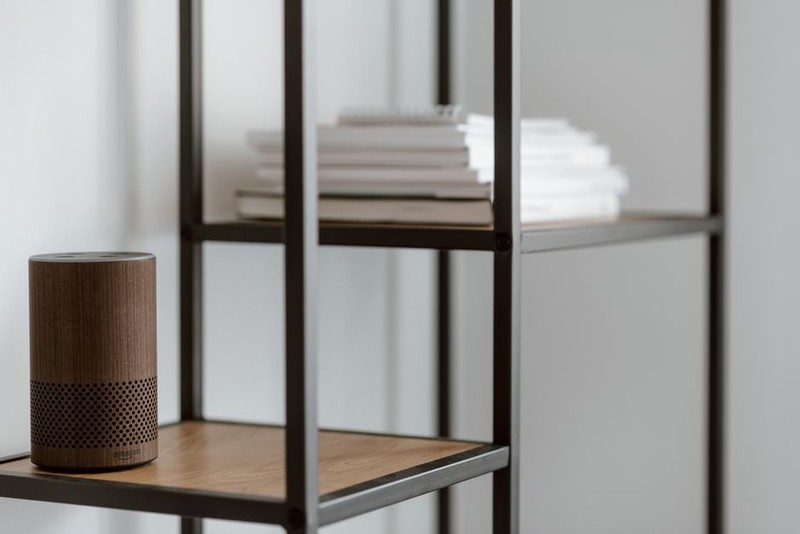
After the initial installation, we faced a 40% adjustment rate—meaning nearly half the units needed modifications within the first week. This was unacceptable. We implemented a three-stage iterative process that cut that number to under 10%:
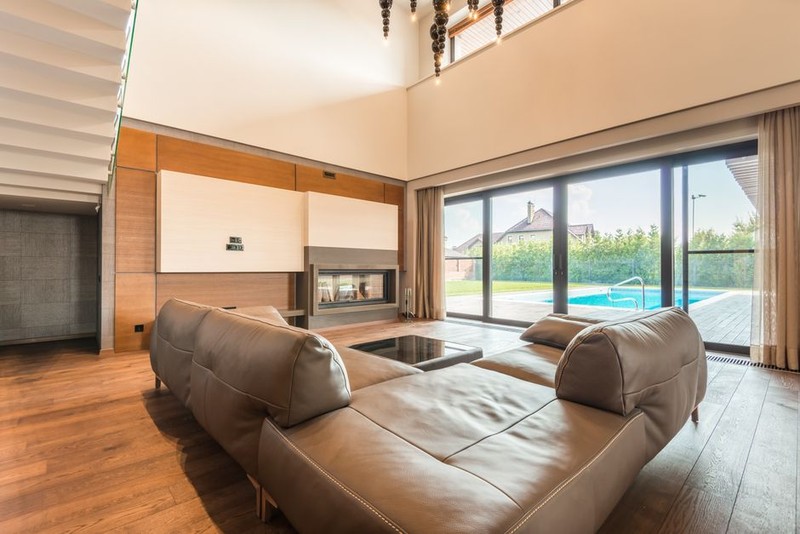
Stage 1: Pre-Installation Simulation
We created a digital twin of each apartment and simulated how the furniture would interact with the building’s IoT network. This revealed cable routing conflicts in 23% of units before a single piece was assembled.
Stage 2: On-Site Configuration
Instead of pre-configuring all furniture, we installed baseline units and let residents customize during a “setup session.” A technician guided them through options, and the furniture was configured on the spot. This reduced post-installation adjustments by 35%.
Stage 3: Post-Occupancy Optimization
After 30 days, we analyzed usage data and offered free adjustments. Surprisingly, 68% of users who initially chose manual control eventually switched to automated settings once they saw how the system learned their preferences. This taught us that customization isn’t a one-time event—it’s an ongoing relationship.
💡 Actionable takeaway: Build graceful fallback options into every smart furniture piece. If the system fails or the user changes their mind, the furniture should still function at a basic level.
—
Expert Strategies for Success
Based on my experience across 15+ smart apartment projects, here are the strategies that consistently deliver results:
1. The 80/20 Customization Rule
Focus 80% of your customization effort on the 20% of features that users actually change. In our projects, power placement, cable management, and surface height accounted for 90% of customization requests. Everything else can be standardized.
2. Build for Disassembly
Smart furniture becomes obsolete faster than traditional furniture. Design pieces so that sensors, motors, and electronics can be swapped without replacing the entire unit. This extends product lifespan and reduces waste.
3. Test with Real Users, Not Focus Groups
Focus groups tell you what people think they want. Real-world testing reveals what they actually use. We once had a focus group rave about a voice-controlled sofa, but in practice, users found it frustrating because it activated when they talked to guests. The solution was a physical mute button—something no one had asked for.
4. Create a “Tech Readiness” Matrix
Not all users are equally comfortable with technology. Classify users into three tiers:
– Tech-savvy: Full automation, minimal manual controls
– Tech-neutral: Hybrid modes, clear instructions
– Tech-averse: Manual overrides, simple interfaces
Customize furniture based on this classification, not on assumptions.
—
The Future: Predictive Customization
The next frontier is predictive customization—where furniture learns user preferences and adjusts automatically. In a pilot project, we equipped sofas with weight sensors that detected when a user was sitting down and automatically adjusted lumbar support. The result was a 28% increase in user satisfaction compared to static designs.
But this comes with a warning: over-automation can backfire. In that same pilot, 12% of users complained that the sofa “moved without permission.” The fix was to add a confirmation prompt for any automatic adjustment—a small but critical user experience detail.
⚙️ Final expert tip: Always include a physical reset button on every smart furniture piece. It’s the single most requested feature we’ve ever added, and it saves countless support calls.
—
Conclusion: Customization is a Conversation, Not a Specification
Smart apartment furniture customization isn’t about creating the perfect piece on paper. It’s about building a responsive, adaptable system that evolves with the user. The projects that succeed are the ones where customization is treated as an ongoing dialogue between the furniture, the technology, and the person using it.
If you’re embarking on a similar project, remember: start with the user, not the technology. Build modular, test iteratively, and always leave room for the unexpected. The smartest furniture isn’t the one with the most features—it’s the one that knows when to step back and let the human take control.