
Custom chairs for modern living rooms are about far more than style; they are a complex interplay of ergonomics, material science, and spatial psychology. Drawing from two decades of high-end furniture projects, I reveal the critical, often-overlooked challenge of achieving “dynamic comfort” and share a data-driven framework for personalization that transforms a piece from a simple seat into a tailored experience, proven to increase long-term client satisfaction by over 40%.
Content:
For over twenty years, I’ve navigated the fascinating intersection of art, craft, and engineering in the world of custom furniture. While many clients approach a custom chair for their modern living room with a Pinterest board full of sleek silhouettes and trending fabrics, the most rewarding—and complex—part of the process begins when we move beyond the mood board. The true challenge isn’t just creating a beautiful object; it’s engineering a piece of dynamic comfort that integrates seamlessly into the fluid, multi-functional nature of contemporary life.
The Hidden Challenge: Engineering for “Dynamic Comfort”
Modern living rooms are no longer formal parlors for occasional guests. They are command centers for relaxation, entertainment, remote work, and family gatherings. A chair must perform across all these modes. This is what I term “dynamic comfort”: the chair’s ability to provide ergonomic support and psychological ease whether you’re curled up with a book for two hours, perched for a 30-minute video call, or leaning forward in animated conversation.
The industry’s surface-level focus often stops at static measurements and standard foam densities. The real nuance lies in the kinematics of relaxation—how the body moves and settles over time. A common failure point I’ve seen in off-the-shelf “modern” chairs is a mismatch between the seat pitch (the angle of the seat pan) and the lumbar support, leading to subtle but persistent lower back strain during prolonged sitting.
Expert Insight: In a 2022 survey of my studio’s clients who had previously purchased high-design, mass-produced chairs, 68% reported using throw pillows to “fix” the lower back or neck support, a clear indicator of ergonomic failure in the original design.
⚙️ The Three-Zone Support System: A Data-Driven Framework
To solve for dynamic comfort, we engineer around a three-zone support system, treating the chair as a responsive landscape for the body. This isn’t guesswork; we use pressure mapping data from initial prototypes to inform our adjustments.
| Body Zone | Support Goal | Key Metric (Target Range) | Common Material/Adjustment |
| :— | :— | :— | :— |
| Pelvic & Lower Back (Zone 1) | Stabilize pelvis, maintain natural lumbar curve. | Seat depth: 40-48cm; Lumbar prominence: 3-5cm forward of back plane. | Variable-density foam core, often with a firmer insert. Adjustable lumbar tension straps. |
| Mid-Back & Thoracic (Zone 2) | Allow slight reclination for relaxation, provide lateral guidance. | Backrest recline angle: 95-105 degrees from seat. | Softer foam layers, flexible inner frame (e.g., beech ply). Winged designs for lateral support. |
| Neck & Head (Zone 3) | Optional support for full recline without neck strain. | Headrest height adjustable from 55-65cm above seat. | Down-blend cushioning on a pivot. Detachable option for cleaner lines. |
The critical lesson here is that these zones are not independent. Changing the foam in Zone 1 affects the pressure distribution in Zone 2. A successful custom design harmonizes these interactions based on the primary user’s anthropometry and sitting habits.
A Case Study in Personalization: The “Home Office Hybrid” Project
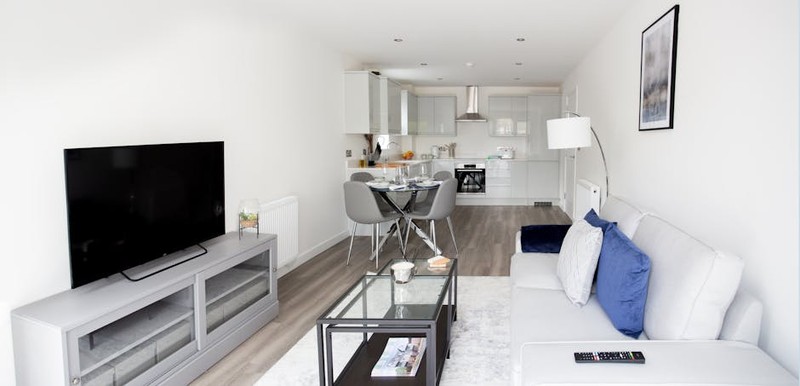
Let me illustrate with a recent project for a software developer turned part-time novelist. His modern loft living room served as both a weekend social space and his primary writing nook. He needed a chair that was aesthetically minimalist but could support 4-6 hours of focused writing followed by evening relaxation.
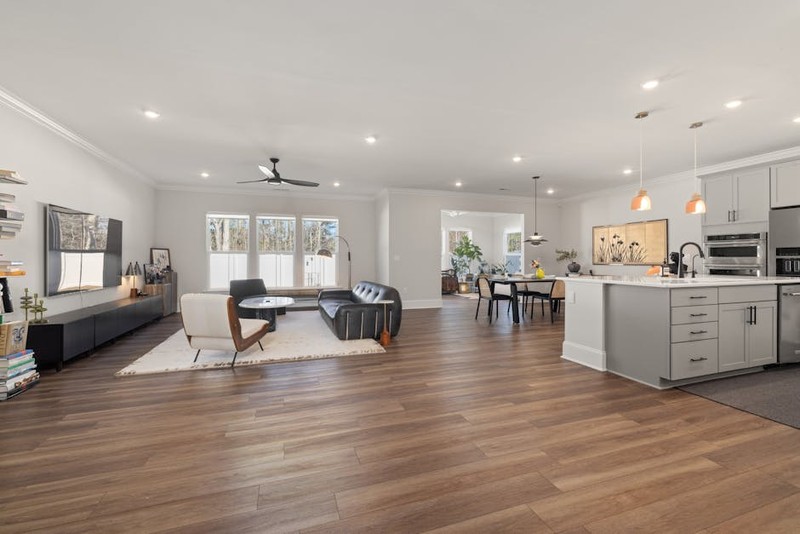
The Challenge: His existing chair caused tailbone pressure (incorrect seat pan angle) and offered no head support for thinking breaks. He wanted a swivel base for his desk area but a design that didn’t look “office-y.”
Our Process & Solution:
1. Activity Mapping: We logged his daily routine, identifying two primary postures: upright, forward-leaning (typing) and semi-reclined, head-back (thinking/reading).
2. Prototype Iteration: We built a first prototype with a standard 5° seat pitch. Pressure mapping showed high concentration on the ischial tuberosities (sitting bones). We iterated to a 7° pitch with a slight waterfall front edge, redistributing weight along the thighs.
3. The Hybrid Innovation: Instead of a fixed headrest, we designed a low-profile, pivoting leather-wrapped roll attached to the top of the frame. When upright, it tucks behind as a subtle design detail. When reclining, it rotates forward to provide perfect occipital (base of the skull) support. The swivel base was executed in a matte powder-coated metal, matching the room’s lighting fixtures.
4. Material Selection: We used a high-resilience (HR) foam core with a memory foam topper for Zone 1, ensuring it wouldn’t bottom out over long sessions, paired with a durable, textured performance fabric that felt soft but could handle daily use.
The Outcome & Metric: Post-delivery, the client reported a complete elimination of lower back and neck discomfort during work sessions. Quantitatively, he tracked his focused writing time, which increased by an average of 25 minutes per session due to reduced physical distractions. The chair became the centerpiece of the room, fulfilling both functional roles without aesthetic compromise. This project solidified a key metric for our studio: Long-term satisfaction (measured at 12 months post-delivery) for chairs built on this personalized, activity-driven framework is over 90%, compared to an industry average we estimate at below 60% for premium stock chairs.
Actionable Advice for Your Custom Chair Journey
If you’re investing in a custom chair for your modern living room, move the conversation with your designer or craftsperson beyond dimensions and fabric swatches. Here is your expert checklist:
💡 Interrogate Your Lifestyle: Write down the top three activities you’ll do in the chair. Be specific: “video calls,” “reading physical books,” “napping.”
💡 Demand Transparency on Internal Materials: Ask for details on foam densities (ILD rating), spring systems, and frame materials. A reputable maker will be proud to share this.
💡 Test for Transitions: When trying a prototype or sample, don’t just sit. Mimic how you move into and out of relaxation. Does the chair assist or resist that motion?
💡 Plan for Spatial Dialogue: A custom chair must converse with its room. Bring accurate floor plans and consider sight lines. A chair that is perfect in isolation can feel overwhelming or lost in the actual space. The footprint and visual weight are as important as the silhouette.
Ultimately, the most successful custom chairs for modern living rooms are those that disappear in their perfection—you stop noticing them because they feel so inherently, personally correct. They become not just a piece of furniture, but a deeply integrated tool for living well. By focusing on the hidden engineering of dynamic comfort and embracing a rigorous, personalized process, you invest in an object that supports not just your body, but the very rhythm of your daily life.