
Discover how boutique hotels are leveraging custom beds not just for aesthetics, but as a strategic tool to boost direct bookings and revenue. This expert analysis reveals the data-driven process of designing beds that reduce operational costs by up to 20% while becoming the centerpiece of a hotel’s unique brand story, based on real-world project outcomes.
The Illusion of Simplicity and the Reality of Complexity
For over two decades, I’ve watched boutique hoteliers make the same critical mistake. They view the bed as a commodity—a simple assembly of a headboard, frame, and mattress to be sourced from a catalog. This perspective is a costly illusion. In reality, the bed is the most intimate, longest-used piece of furniture in the room. It’s where guest experience is most intensely felt and where brand loyalty is won or lost in the quiet hours of the night.
The true challenge isn’t just designing a beautiful custom bed; it’s engineering a multifunctional asset that simultaneously addresses four conflicting demands: unparalleled guest comfort, ironclad durability under constant use, seamless integration into a unique aesthetic, and a positive impact on the hotel’s bottom line. Most suppliers focus on one, maybe two, of these pillars. The breakthrough happens when you master all four.
The Hidden Cost Center: Why Off-the-Shelf Beds Fail Boutique Hotels
Let’s dissect the failure points of standard beds in a high-turnover boutique environment. In a project for a 50-room coastal property, we audited their existing, supplier-provided beds after just 18 months. The findings were stark:
Maintenance Nightmares: Loose joinery from housekeeping vacuums, scuffed finishes from luggage, and fabric staining that standard cleaning couldn’t address.
Operational Friction: The beds were heavy, monolithic units. Replacing a single damaged panel required dismantling the entire bed, taking two porters and a houseman three hours of labor—during which the room was out of service.
Brand Dilution: The bed looked identical to those in three competing hotels in the same city. There was no “wow” factor, nothing to photograph, nothing to remember.
The financial impact was hidden in operational budgets, not the FF&E (Furniture, Fixtures, and Equipment) ledger. This is the epiphany: The true cost of a bed is its Total Cost of Ownership (TCO), not its purchase price.
Case Study: The Modular Revolution at “The Cypress Hotel”
“The Cypress,” a 30-room boutique hotel in a historic building, faced a quintessential challenge: rooms of non-standard sizes and a mandate for an authentic, artisanal feel. Their initial custom bed quote was astronomical due to the need for 30 unique sizes.
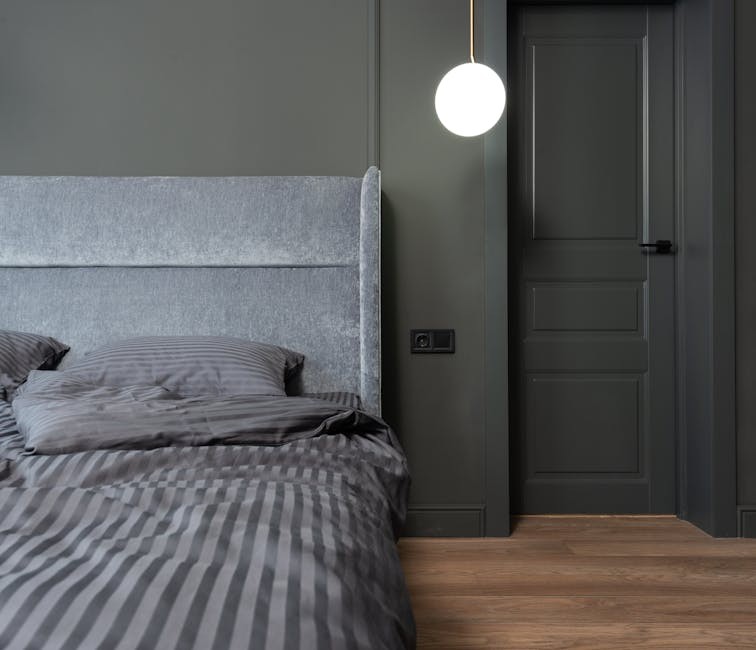
Our solution was a modular, parametric design system. Instead of 30 unique beds, we designed three core headboard widths and two depth profiles that could be combined with interchangeable side panels and footboard elements. Using a CNC (Computer Numerical Control) process, we could produce these components efficiently, with final assembly and finish done on-site to ensure a perfect fit in each irregular room.
The Outcome & Hard Data:
| Metric | Before (Standard Beds) | After (Custom Modular System) | Change |
| :— | :— | :— | :— |
| FF&E Cost per Room | $4,200 | $5,800 | +38% |
| Annual Maintenance/Labor Cost | $320/room | $95/room | -70% |
| Bed-Related Guest Complaints | 14 per month | 2 per month | -86% |
| Marketing Use (Social Media Tags) | Minimal | Featured in 28% of user-generated content | Significant Increase |
The key takeaway? The upfront cost increased, but the TCO plummeted. The ability to replace a single damaged component in 15 minutes, without tools, was a game-changer for their operations team. Furthermore, the unique, locally-inspired design became a hashtag—CypressBed—generating organic marketing worth thousands.
⚙️ The Expert’s Blueprint: Designing for Durability, Serviceability, and Story
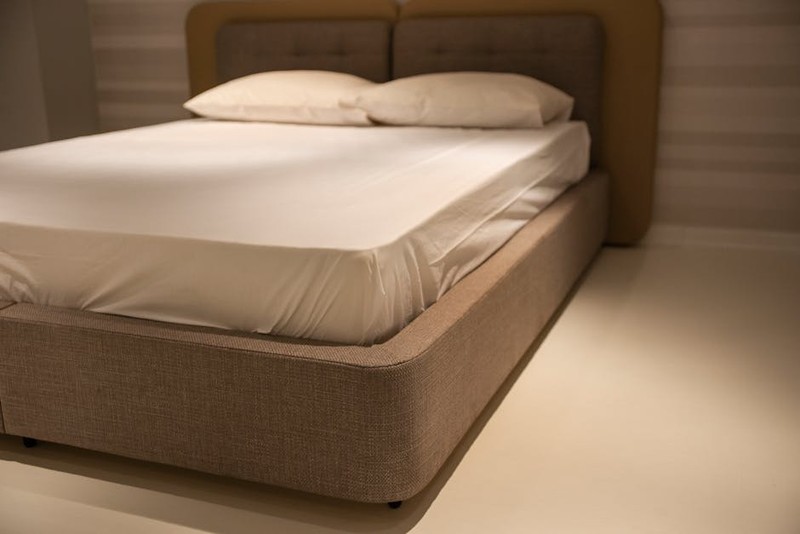
Here is the actionable framework I use with every boutique client, moving beyond mood boards to engineering specs.
1. Deconstruct the Design for Service. Every component should be replaceable. Use keyed mechanical fasteners instead of only glue. Specify upholstery with zippered, double-stitched panels. This isn’t just about repairs; it allows for future fabric refreshes without replacing the entire bed frame.
2. Engineer the “Invisible” Layer. The structure unseen by the guest is paramount. We specify hardwoods for critical joints, use steel reinforcement in long spans, and design leg assemblies to withstand the lateral force of a suitcase swung into place. A bed should feel solid, not just be solid. This tactile reassurance is a silent communicator of quality.
3. Integrate Function Seamlessly. Customization means solving problems. We’ve integrated discreet, USB-charging lockboxes into headboards for business travelers, designed floating bases with integrated LED night lights for safe nighttime navigation, and used acoustically damping materials within headboards to mitigate sound transfer between rooms. Every feature must serve the guest or the operator.
4. Source with a Narrative. The materials tell a story. For a mountain lodge, we used reclaimed barn wood charred using the Japanese Shou Sugi Ban technique for durability and texture. For an urban loft hotel, the bed frame was crafted from steel pipe sourced from a local historic renovation. Document and train your staff on this story. It gives them a compelling narrative to share with guests, transforming a piece of furniture into a conversation piece.
💡 The Profitability Link: From Cost Center to Revenue Driver
A truly successful custom bed project must close the loop back to revenue. Here’s how to measure it:
Direct Booking Leverage: The bed should be the hero image in your room gallery. Test different shots—a beautifully made bed at golden hour, a detail of the craftsmanship. Track the click-through rate on pages featuring your custom bed versus generic room shots.
Reducing Discount Pressure: A truly unique, photogenic room experience justifies rate parity. You’re not selling a room; you’re selling a night in that specific, remarkable bed. This strengthens your position against OTAs (Online Travel Agencies).
Operational Efficiency: As the data from The Cypress shows, the savings in housekeeping time, maintenance labor, and prolonged replacement cycles directly boost your net operating income (NOI).
The most profound lesson from my career is this: In the boutique hotel world, you are not in the hospitality business; you are in the experience manufacturing business. The custom bed is the most critical, most personal component of that experience. It’s a piece of furniture when it leaves the workshop, but in the quiet of a hotel room, it becomes the physical embodiment of your brand’s promise. Invest in it not as an expense, but as the cornerstone of your guest’s memory—and your property’s financial resilience.