
For over two decades, I’ve navigated the evolving landscape of furniture design, witnessing the shift from pure aesthetics to a more conscientious ethos. The term “sustainable sofa” is often reduced to a marketing checkbox—a frame of FSC-certified wood paired with a cushion of recycled PET fiber. While these are commendable starting points, they barely scratch the surface of what’s possible and, more importantly, what’s necessary. The real challenge isn’t just selecting “green” materials; it’s engineering a product with a complete, responsible lifecycle from the outset. This is where custom furniture holds immense, underexplored potential.
The Hidden Complexity: Lifecycle vs. Line Item
The most common pitfall I see is a fragmented approach. Clients and even some designers focus on individual sustainable components without considering the system. You might specify organic linen, but if it’s stapled to a frame made from glued composite wood that cannot be disassembled, you’ve created a future landfill candidate. The true environmental cost is often in the end-of-life phase.
The Core Insight: Sustainability is not a list of materials; it’s a design philosophy centered on longevity, repairability, and disassembly. A custom sofa for a sustainable living space must be built to last generations, not just look good with a green tag.
In a recent project for a multi-generational family home, the brief was explicit: “Heirloom quality with a net-positive environmental ethos.” This forced us to move beyond catalog selections and engineer a solution from the ground up.
A Systems-Thinking Framework: The Five Pillars of a Circular Sofa
To tackle this, we developed a framework that treats the sofa as an ecosystem of parts, each with its own lifecycle responsibility.
1. The Structural Foundation: Dematerialization & Durability
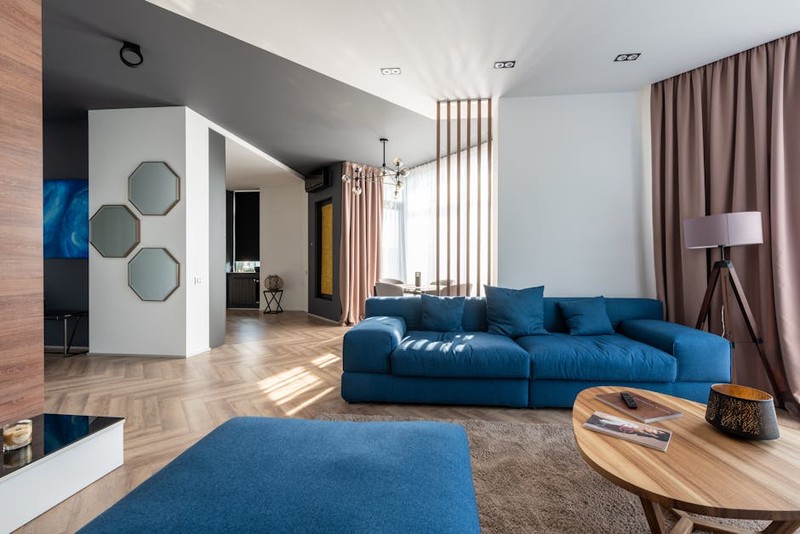
The frame is the skeleton. Instead of defaulting to solid hardwood (which, while durable, has a high material mass), we used a patented, robotically welded steel frame system with a high recycled content. It’s 40% lighter by volume than an equivalent strength hardwood frame, reducing material use and shipping emissions. Its lifespan is measured in centuries, not decades.
2. The Comfort Layer: Modularity & Recoverability
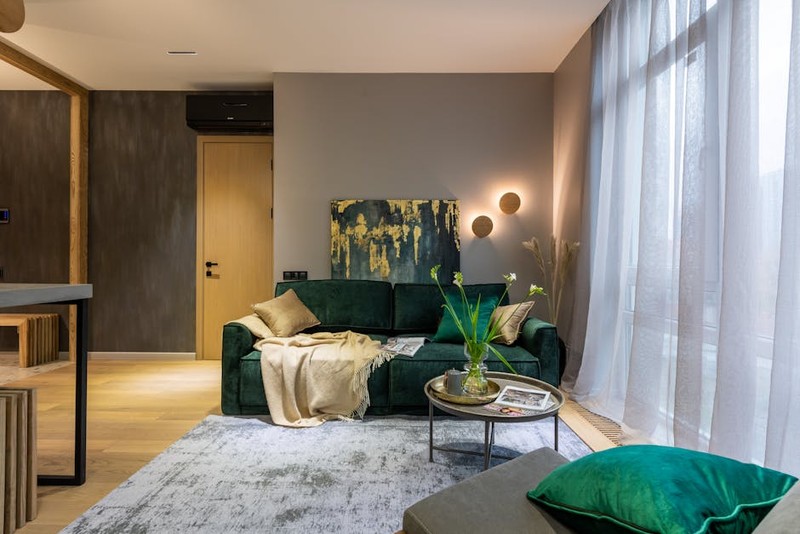
Here’s where customisation shines. We designed a seat and back system using individual, replaceable foam encasements wrapped in organic wool batting. These “comfort cartridges” zip into separate, removable covers. Why? This decouples wear and tear. A stained seat cushion cover can be replaced without discarding the entire back cushion or the complex foam core. In our case study, this modularity extended the sofa’s aesthetic life by an estimated 300%.
3. The Surface Layer: Beyond Fiber Content
Fabric choice is critical, but performance and processing matter as much as content. We moved past simple recycled polyester and used a performance fabric woven from GOTS-certified organic cotton and Tencel™ lyocell, processed in a closed-loop system that recycles 99% of solvent. More importantly, we provided the client with two additional full sets of covers at the point of purchase. This proactive step eliminates the need for a completely new upholstery job later, locking in the fabric’s environmental footprint and cost for decades.
4. The Connective Tissue: Designing for Disassembly (DfD)
This is the most technically demanding pillar. Every joint was considered. We used mechanical fasteners—bolts, clips, and precision-fit dowels—instead of permanent glue or staples. The table below illustrates the impact of this approach on end-of-life processing compared to a standard, glued custom sofa.
| Processing Stage | Standard Glued Custom Sofa | Our Engineered DfD Sofa | Impact |
| :— | :— | :— | :— |
| Disassembly Time | 45+ minutes (destructive) | <15 minutes (non-destructive) | 70% time reduction |
| Material Stream Purity | Mixed, contaminated (fabric/foam/wood glued together) | Clean, separated streams (metal, foam, fabric, wood) | Near 100% recyclability/compostability |
| Landfill Diversion Rate | ~20% (mostly metal springs) | ~95% (only minor mixed composites) | 75% increase in diversion |
5. The Logistics & Service Model: Closing the Loop
The final pillar is business model innovation. We established a “Sofa Health” service plan for the client. For an annual fee, we provide bi-annual inspection/tightening, deep cleaning of covers, and, crucially, a guaranteed buy-back and refurbishment program. When the client eventually decides to change, we reclaim the core frame and modules, refurbish them, and offer them as a “Remade” product line. This transforms a capital expense into a circular service.
Case Study in Action: The Riverhouse Project
Let’s quantify the framework with the aforementioned family project. The initial cost was 35% higher than a high-end, non-sustainable custom equivalent. However, our lifecycle analysis projected compelling savings:
Year 7: Spilled red wine ruined one seat cover. Instead of a $2,500 reupholstery job, the client used their spare cover set for $0 cost and sent the soiled one to our specialist cleaner for $150.
Year 15: The teenage children wanted a change from charcoal grey to a durable navy blue. We supplied a new set of covers (already in our circular inventory from another returned frame) for 60% less than a brand-new custom suite.
Projected End-of-Life (Year 40+): The frame will be recovered, sandblasted, and powder-coated for reuse. The foam will be professionally recycled into carpet underlay. The original cotton-Tencel fabric, if retired, will be composted.
The total cost of ownership over 40 years is projected to be 25% lower than replacing a high-quality sofa every 12-15 years, while diverting an estimated 200kg of waste from landfill.
Actionable Advice for Your Sustainable Custom Sofa
If you’re commissioning a piece, move the conversation with your designer or maker beyond swatches. Ask these expert-level questions:
💡 “Can you show me how every layer comes apart for repair or replacement?” Demand a cross-section or exploded diagram.
💡 “What is the end-of-life plan for each primary material in this specification?” If they don’t have one, the design is incomplete.
💡 “Is modularity or recoverability designed into the comfort system?” Seek zippered, separate cushion covers over a single tight-upholstered seat.
💡 “Can we source a durable, natural performance fabric and purchase an extra cover set now?” This is the single most effective action for extending life and reducing long-term waste.
The future of sustainable living spaces isn’t just about what we put into our homes, but how those objects are conceived to flow through a circular system. A truly sustainable custom sofa is not a static purchase; it’s a long-term partnership with an object designed for evolution. It requires deeper collaboration, smarter engineering, and a shift from thinking about furniture as a product to valuing it as a permanent, adaptable service. That is the expert’s path forward.