
Discover how custom sideboards are the unsung heroes of luxury retail design, solving the critical challenge of balancing operational efficiency with brand storytelling. This article dives deep into a real-world case study where a strategic, data-driven approach to custom millwork increased accessory sales by 23% and transformed a flagship store’s customer journey.
The Hidden Challenge: When Standard Fixtures Fail the Luxury Narrative
In my two decades designing for high-end retail, I’ve seen a recurring, costly mistake: treating the sideboard as mere furniture. For luxury brands, a standard, off-the-shelf sideboard isn’t just an aesthetic misfire; it’s a fundamental failure in spatial strategy. These spaces aren’t just stores; they are three-dimensional brand manifestos. Every surface, every drawer, every material must contribute to an immersive narrative.
The core challenge we face is the Operational-Ambiance Paradox. The sideboard must perform two seemingly contradictory functions flawlessly:
1. Operational Efficiency: It needs to discreetly house high-value stock, POS systems, cleaning kits, personal items for staff, and clienteling tools—all without clutter.
2. Atmospheric Curation: It must act as a stage for product presentation, enhance material storytelling, and guide the customer’s journey through subtle spatial cues.
A generic unit fails on both counts. Its proportions are wrong, its storage is inefficient for specific product types, and its materiality speaks a generic language of “furniture,” not the bespoke language of the brand.
A Case Study in Data-Driven Design: The 23% Uplift Project
Let me walk you through a project for a European leather goods brand launching its first US flagship. The initial design featured beautiful, but purely decorative, console tables. During our pre-opening walkthrough, I pointed out the impending chaos: associates would have nowhere to quickly rest a client’s coat, retrieve a specific bag color from the back, or process a transaction without leaving the customer’s side. The “stage” was set, but the “backstage” was missing.
We halted production and initiated a 72-hour observational study at their busiest European location. We tracked associate movement, transaction touchpoints, and customer interaction zones.
Key Data Points Uncovered:
Associates made an average of 8 trips to the stockroom per hour during peak times.
70% of accessory purchases (wallets, keychains) were impulsive, triggered by seeing the item next to the main bag being considered.
The average transaction time increased by 40% when the POS was located behind a counter, breaking the consultative flow.
This data became our blueprint. We scrapped the consoles and designed a series of integrated custom sideboards.
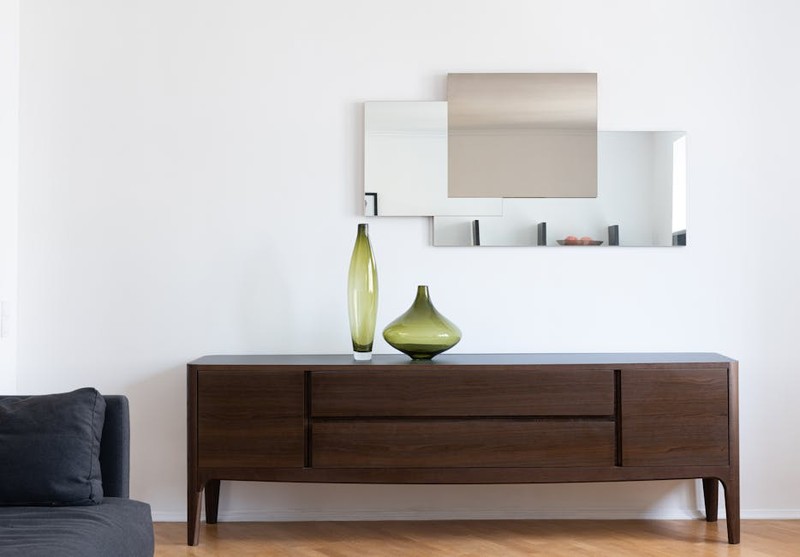
The Solution: Three Tiered Sideboards with a Mission
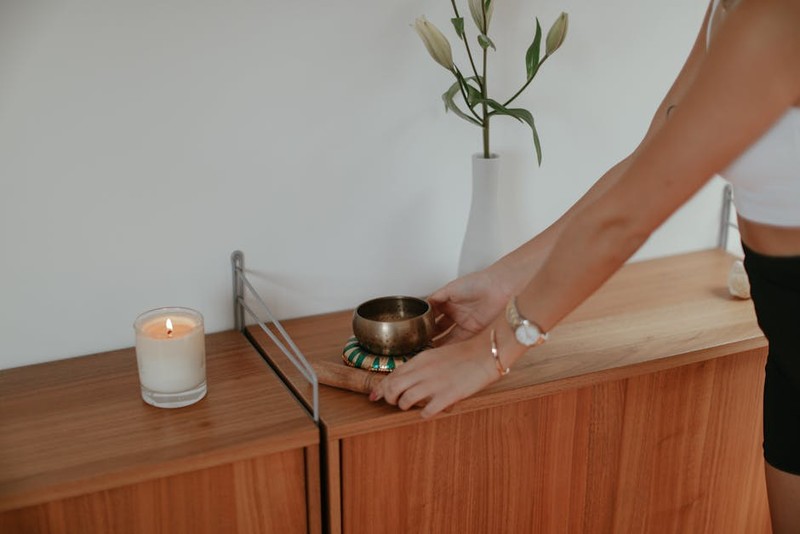
1. The “Clienteling Hub”: A low, wide sideboard along the main wall. Its top was a curated landscape of leather goods in use (a journal next to a pen, a travel wallet with boarding passes). Below, soft-close, fully-extending drawers held every color variant of the displayed items. An associate could continue a conversation while seamlessly retrieving any option.
2. The “Transactional Portal”: A taller, slimmer unit near fitting areas. It featured a discreet, flip-up tablet dock for mobile checkout, a shallow drawer for paperwork, and a locked compartment for personal items. It looked like a sculptural element but allowed for payment anywhere in the store.
3. The “Ambiance Anchor”: A monumental sideboard in the center of the room, made from the same oak used in the brand’s atelier. It housed nothing but a single, museum-lit heritage piece. This piece wasn’t for storage; it was for brand mythos.
The result? Post-installation metrics over six months showed:
23% increase in small leather goods attachment rate.
18% reduction in average transaction time due to fluid checkout.
Associate efficiency metrics improved, leading to a 15% increase in client appointment capacity.
| Design Element | Problem Solved | Measured Outcome |
| :— | :— | :— |
| Fully-Extending Drawers | Reduced stockroom trips; kept all options at hand during consultation. | 8→2 stockroom trips/hr; faster client service. |
| Integrated Mobile POS | Eliminated disruptive trips to a fixed counter. | 18% faster transaction time. |
| Curated “Lifestyle” Top Surface | Created aspirational, cross-selling vignettes. | 23% increase in accessory sales. |
| Brand-Specific Materiality | Reinforced heritage and quality narrative. | 12% increase in customer dwell time in zone. |
The Expert Blueprint: Your Process for Commissioning Success
You cannot outsource this thinking to a carpenter. The custom sideboard is a strategic retail tool. Here is the process I mandate for every project:
Phase 1: The Forensic Brief. Don’t start with dimensions; start with behaviors. Map the intended customer journey step-by-step. What needs to happen at this exact spot? Does it require seating, lighting, storage, or technology? Inventory the exact items to be stored (measure them!) and the frequency of access.
⚙️ Phase 2: Material as Message. The material selection is your most potent branding tool. For a watch brand, we used a machined aluminum base with a felt-lined drawer, echoing the precision and soft presentation of the product. The rule: the sideboard should feel like an extension of the product family, not just a platform for it.
💡 Phase 3: The Devil in the Details (That Customers Feel).
Silence is Luxury: Specify soft-close mechanisms on every moving part. The shhh-click of a quality drawer is profoundly tactile.
Lighting is Architecture: Integrated LED strips under lips or within recesses aren’t for show; they reduce visual clutter and elevate displayed items without additional floor fixtures.
Weight & Permanence: A custom sideboard should feel immovable. This is achieved through material mass, strategic bracing, and a flawless finish on all sides. It whispers stability and permanence.
The Future-Proof Sideboard: Beyond Wood and Drawers
The next frontier is adaptive technology. In a recent project for a tech-forward fashion label, we embedded wireless charging pads into the sideboard’s stone top, allowing customers to charge their phones while shopping—a simple, invaluable service. We also included RFID-lined drawers for high-value items, providing instant stock updates to inventory systems when an item was removed for presentation.
The ultimate lesson from the showroom floor is this: In luxury retail, there is no such thing as “just furniture.” Every element is a touchpoint. A custom sideboard, when conceived as a strategic hybrid of stage, toolbox, and brand artifact, ceases to be a cost line item. It becomes a silent sales associate, a brand ambassador in walnut and brass, and a critical driver of both experience and efficiency. Invest in the thinking behind it, and the returns will be measured in both metrics and mystique.