
The Illusion of Choice and the Reality of Execution
For over two decades, I’ve witnessed the evolution of luxury residential design. Clients today don’t just want marble; they want a specific vein pattern from a specific quarry, bookmatched across a 20-foot kitchen island. They don’t just want leather; they want a vegetable-tanned hide, dyed to a Pantone shade that matches a cherished artwork. This is the pinnacle of material customization for luxury residential apartments. The initial selection—the tactile joy of swatches and samples—is the easy part. The real expertise lies in the labyrinth that follows.
The most common and costly mistake is treating material specification as a purely aesthetic exercise. The true challenge is a tripartite one: ensuring the material can perform in its intended environment, managing the elongated and fragile supply chain required to produce it, and installing it with the precision its cost and beauty demand. I recall an early project where we specified a stunning, raw-edged fossil stone for a master bath. It looked magnificent in the 12″x12″ sample. On site, the full slabs revealed a porosity that made them unsanitary for wet areas—a six-figure oversight that taught me a brutal lesson.
The Non-Negotiable Phase: Performance Validation
Before a single purchase order is cut, every custom material must pass through a validation gauntlet. This is where you separate true craftsmanship from beautiful folly.
💡 Expert Validation Checklist:
Environmental Stress Testing: How does the material react to UV exposure (fading), humidity (warping/swelling), and thermal shifts (expansion/contraction)? We now simulate years of balcony sun exposure in a weatherometer for exterior cladding materials.
Abrasion and Chemical Resistance: For surfaces like custom-dyed fabrics or lacquered woods, we use standardized tests (e.g., Martindale for fabrics, Taber for finishes) to provide clients with a quantifiable “durability score.”
Acoustic and Thermal Properties: A custom resin panel might be visually breathtaking, but does it turn a room into an echo chamber or a greenhouse? We model this data early.
In a recent high-rise penthouse project, the client was adamant about using a bespoke, lime-washed European oak for the entire living area floor. The aesthetic was perfect, but the standard finish was too soft. Our solution was to co-develop a proprietary, penetrating hard-wax oil with our mill, increasing the finish’s scratch resistance by over 300% (verified by independent lab testing) while maintaining the raw, matte look. We presented this not as a problem, but as an innovation, complete with the test data. The client’s trust—and the project’s budget—were secured.
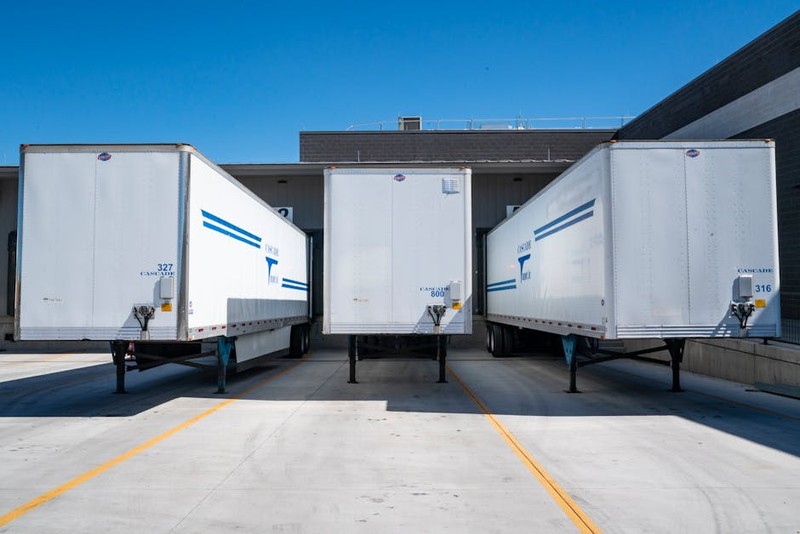
⚙️ Orchestrating the Fragile Supply Chain: A Data-Driven Approach
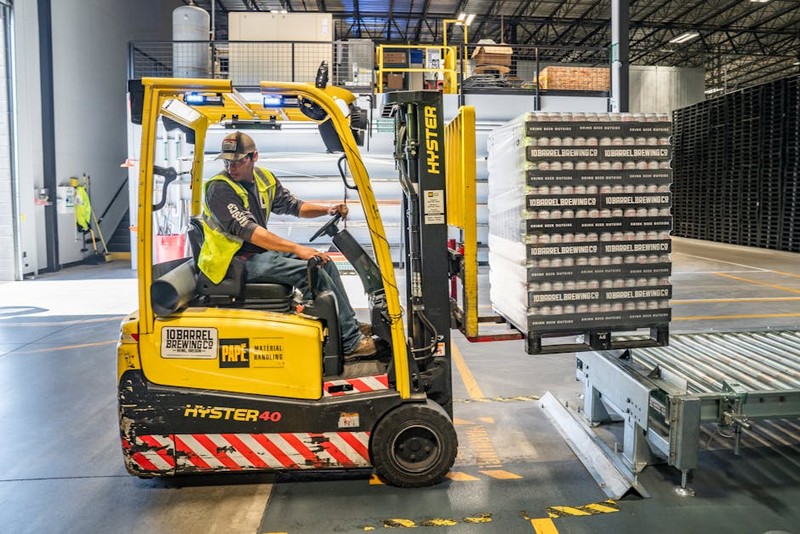
Custom materials have custom supply chains, which are inherently volatile. Your role transforms from designer to logistics maestro. Transparency is your greatest tool.
Let’s take the example of a custom, large-format ceramic tile—a staple in luxury apartments. Below is a simplified timeline from a project where we managed the creation of a 5’x10′ fluted tile from concept to installation dock in New York. Notice the “Buffer Zones”; these are non-negotiable.
| Phase | Key Activity | Standard Duration | Buffer Zone | Risk Mitigation |
| :— | :— | :— | :— | :— |
| 1. Development | Digital design, prototype milling, glaze formulation | 8-10 weeks | +2 weeks | Order raw materials for 3x the prototype batch. |
| 2. Production | Firing of first article, client approval, full batch production | 12-14 weeks | +3 weeks | Schedule staggered kiln loads; photograph each batch for consistency. |
| 3. Logistics | Crating, ocean freight, customs clearance | 6-8 weeks | +4 weeks | Use a dedicated freight forwarder; pre-clear customs paperwork. |
| 4. Installation | Site delivery, handling, installation by certified crew | 2-3 weeks | +1 week | Require installer to mock-up a section on-site first. |
The critical insight here is that the buffer time (10 weeks) was nearly 30% of the active production time. We share this Gantt chart with clients upfront. It moves the conversation from “Why is it taking so long?” to “Here is the journey of your one-of-a-kind material.” In this project, this meticulous planning prevented a 9-week delay when a glaze color shifted slightly in the first kiln load, allowing time for correction without impacting the critical path.
💡 The Installation Imperative: Where Vision Meets Reality
The most exquisite material can be ruined in a day by an unprepared installer. For custom work, the installer must be selected and onboarded during the material development phase, not after delivery. We create “Installation Dossiers” for every custom element, which include:
Technical Data Sheets: Not just the supplier’s brochure, but our validated performance data.
Handling Protocols: How to uncreate, lift, and store the material on-site.
Recommended Adhesives/Substrates: A pre-vetted, approved list to avoid chemical incompatibility.
The “Acceptable Variance” Guide: With natural or handcrafted materials, no two pieces are identical. We provide a visual guide, approved by the client, showing the expected range of color variation or grain pattern. This document alone has eliminated countless dispute calls.
A case in point: for a statement wall of hand-cast glass bricks, we flew the lead installer to the artisan’s studio in Germany. They participated in a casting, learned the material’s quirks, and understood the artisan’s intent. This investment, which was less than 2% of the material cost, resulted in a flawless installation that captured every nuance of light and texture the artist envisioned. The client witnessed a level of care that transcended contracting—it was stewardship.
The Ultimate Deliverable: A Legacy of Care
In the world of material customization for luxury residential apartments, the final deliverable is not just a beautiful space. It is a documented legacy of how every bespoke element was conceived, proven, crafted, and cared for. We provide clients with a “Material Passport” at project closeout—a digital dossier containing all validation data, supply chain contacts, maintenance protocols, and leftover material storage locations.
This transforms a static apartment into a living asset. It empowers the homeowner and future owners, and it elevates your work from a service to a standard. The true luxury you provide is not just in the material itself, but in the profound confidence that every detail has been engineered for enduring beauty and performance. That is the expert’s true signature.