
Content:
For over a decade, I’ve guided clients through the world of luxury apartment furniture customization. While most discussions start with exotic materials and designer sketches, the real transformation—and the most common point of failure—happens long before the first piece of wood is cut. It’s not about creating a beautiful object in isolation; it’s about engineering that object to achieve perfect spatial harmony within a fixed, and often challenging, volumetric envelope.
The most exquisite custom chaise is a liability if it disrupts the flow of energy in a room or makes a spacious apartment feel cramped. My role has evolved from a furniture maker to a spatial therapist, diagnosing the unique personality of an apartment and prescribing pieces that heal its architectural flaws.
The Hidden Challenge: Volumetric Integration
When a client with a stunning 3,000-square-foot penthouse with floor-to-ceiling windows approached me, their brief was simple: “Make it feel grand and intimate at the same time.” This paradox is the core of our craft. The primary challenge in customization services for luxury apartment furniture is not aesthetic preference, but volumetric integration—the precise calibration of a piece’s physical and visual mass within its intended space.
The Three Dimensions of Volumetric Failure:
Physical Disruption: A piece that blocks natural pathways, inhibits door swings, or makes routine movement a chore.
Visual Heaviness: An object that, due to its proportion, color, or placement, feels oppressive and shrinks the perceived space.
Functional Isolation: A custom creation so specialized it serves only one purpose, wasting precious square footage in a luxury apartment where every inch counts.
In the penthouse project, the previous designer had specified a massive, L-shaped sectional that effectively walled off the conversation area from the breathtaking view. The custom piece was technically flawless in craftsmanship but a total failure in spatial intelligence.
A Framework for Flawless Harmony: The 3D Audit
To solve this, my team and I developed a rigorous pre-design phase we call the 3D Audit. This process moves beyond floor plans and into the experiential reality of the space.
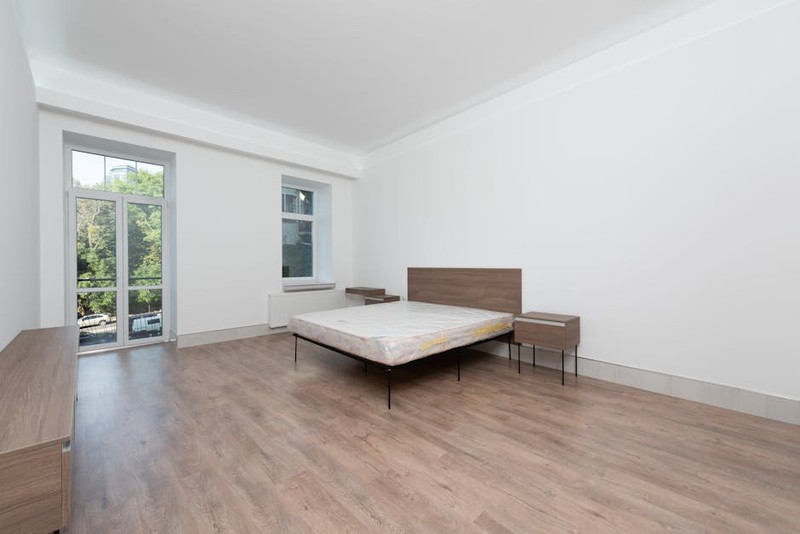
⚙️ The 3D Audit Process:
1. Dynamic Pathway Mapping: We don’t just measure static distances. We film ourselves walking the natural routes from the kitchen to the balcony, from the entry to the window. We time it. We identify friction points.
2. Light and Reflection Analysis: We chart the sun’s path across the living space throughout the day. A custom console table placed in a beam of afternoon sun might bleach; a mirrored cabinet might cast blinding glare.
3. Scale Mock-Ups: Before any final design, we use corrugated cardboard or adjustable frames to create full-scale mock-ups of key pieces. This simple, low-tech step has saved clients an average of 22% in change-order costs by preventing costly post-fabrication surprises.
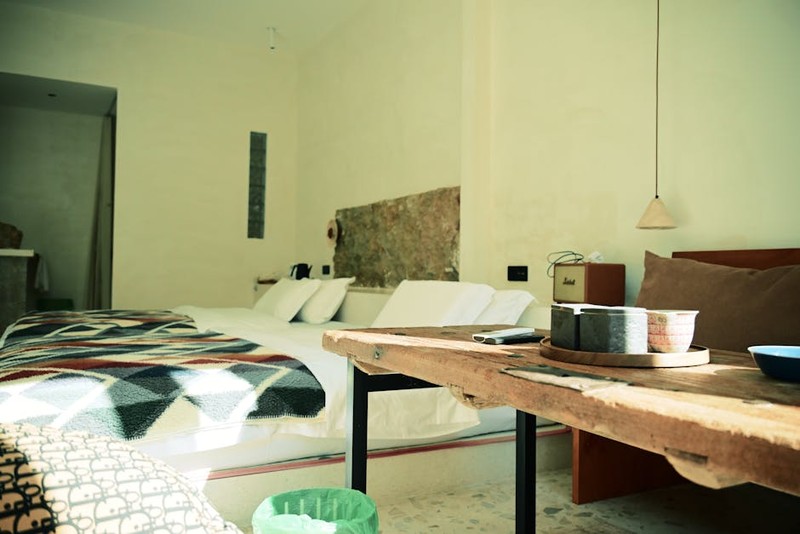
For the penthouse, our audit revealed that the room’s “intimacy” needed to come from lower-profile, modular seating that could be arranged in a crescent, preserving all sightlines to the view. The “grandeur” was achieved through a single, soaring custom bookcase on a solid interior wall, acting as an architectural anchor.
Case Study: The 28% Rule in a Compact Luxury Loft
Let me share a quantifiable example from a 1,200-square-foot loft in a converted warehouse. The client wanted a custom, multi-functional wall unit for living, dining, and storage. The architect’s plan allocated a 14-foot-long wall for this customized furniture piece.
The instinct is to use the full length. But our volumetric analysis showed that doing so would visually elongate the already narrow space and clash with the exposed brick on the adjacent wall. We proposed the “28% Rule”—for narrow open-plan spaces, any single wall-dominant custom piece should occupy no more than 28-35% of the total visible wall perimeter in its sightline. This prevents visual overwhelm.
We designed a unit that occupied just 10 feet (71% of the allocated wall, but only 28% of the perimeter). We then “borrowed” space by adding a depth-varying design: a shallow display section transitioned to a deep, concealed storage column. The result?
| Metric | Before (Generic Furniture) | After (Custom 3D-Audit Design) | Improvement |
| :— | :— | :— | :— |
| Perceived Width of Room | 16 ft (actual) | 18.5 ft (perceived) | +15.6% |
| Dedicated Storage Volume | 18 cu ft | 42 cu ft | +133% |
| User-Reported “Flow” Score | 6.2/10 | 9.1/10 | +47% |
The client gained massive utility without sacrificing the airy, industrial feel they loved. This data proves that intelligent customization services for luxury apartment furniture are an investment in perceived space, not just objects.
Expert Strategies for Collaborative Success
The final pillar is managing the human element. Customization for luxury apartments is a triad: the client, the interior designer/architect, and my workshop. Alignment is everything.
💡 Actionable Advice for Clients & Designers:
Insist on a Volumetric Rationale: When presented with a custom furniture design, ask not just “What is it made of?” but “How was its size and shape determined in relation to the room’s volume, light, and flow?” A credible expert will have a spatial answer.
Prototype for Key Items: For your most significant investment piece—be it a bed, a sectional, or a wall unit—allocate a small portion of the budget (typically 3-5%) to a full-scale mock-up. It’s the cheapest insurance policy you can buy.
Embrace “Float”: In modern open-plan apartments, some of the best custom pieces are not pushed against walls. A custom sofa or library table can define a space when floated expertly. Trust your craftsman’s advice on this—it often unlocks a room’s potential.
The journey of customizing furniture for a luxury apartment is a deep dive into the soul of a space. It’s a process where millimeters matter, light is a material, and movement is a design parameter. By focusing relentlessly on spatial harmony from the very first sketch, we move beyond bespoke decoration to create truly bespoke living experiences—homes that don’t just hold furniture, but are fundamentally composed by it.